Your car’s suspension system is fundamental in delivering a smooth ride, absorbing the jolts and bumps from the road’s imperfections. While many car owners focus on engine performance and regular oil changes, keeping an eye on potential suspension issues can significantly enhance driving comfort and ensure safety. Read on to discover four common car suspension problems you should know.
Worn-Out Shock Absorbers
The role of shock absorbers is to keep your car stable, especially after encountering a road bump. If your vehicle bounces excessively after hitting a minor road imperfection, the shock absorbers are likely wearing out. This means your car won’t stabilize quickly, resulting in an uncomfortable drive and potential safety risks.
Broken or Damaged Springs
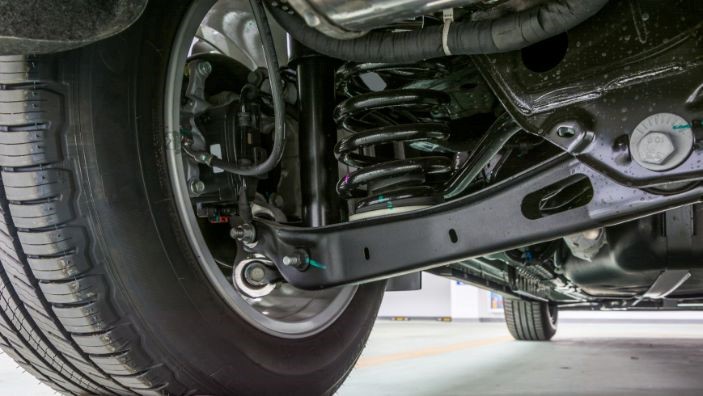
The coil springs in your vehicle bear its weight and can break or wear down over time. A clear indication of damaged springs is if your car seems uneven, appearing to sag or lean to one side. This creates an unstable driving condition and ignoring it can lead to a cascade of related issues that could be costly in the long run.
Unbalanced Tires Impacting Suspension
Tires might not technically be part of the suspension, but they play a crucial role in the system. Unbalanced tires can strain the suspension system. If you experience an unusual vibration, especially at high speeds, it’s often a sign of unbalanced tires. Regular tire maintenance is essential for the tires’ lifespan and to prevent unnecessary wear on the suspension.
Worn-Out Bushings
Bushings are tiny components made usually of rubber, providing cushioning at suspension joints. With time, they can wear out or deteriorate, leading to an annoying squeaking sound due to metal contact. Moreover, worn-out bushings can affect your car’s alignment, leading to uneven tire wear and compromising the vehicle’s stability. Keep an ear out for squeaking sounds and poor alignment—those are some of the top signs your suspension needs to be repaired.
Now that you know the four common car suspension problems, keeping them in check is essential. Regular inspections and immediately addressing any concerns can save you money in the long run and ensure a smoother, safer drive.