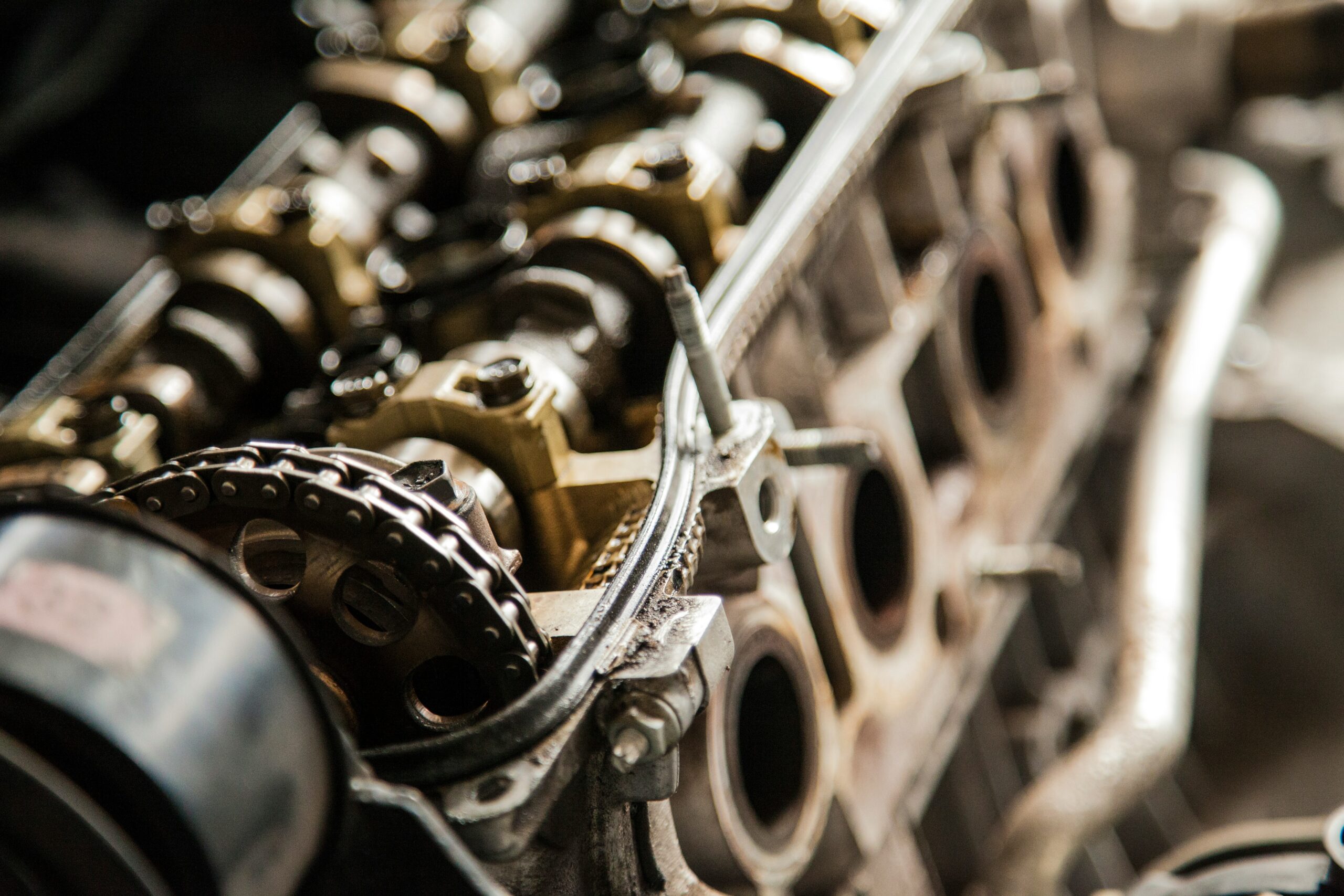
This article explains how modern diesel tuning works, why it gained traction, and what drivers often notice after changes are made. You will also see practical examples, simple definitions, and a clear look at trade-offs. The goal is clarity, not hype.
A Short History of Diesel Engine Control
Early diesel engines relied on mechanical injection pumps. Adjustments required tools and time, and small changes could create smoke or a rough idle. As electronic control units, or ECUs, entered the scene in the 1990s, engine behavior became software-driven.
An ECU acts like a central brain. It reads data from sensors that track throttle input, air pressure, exhaust temperature, and more. Based on that data, it decides how much fuel to inject and when to do it. Tuning means changing those decisions.
According to a 2020 Society of Automotive Engineers paper, electronic control improved fuel metering accuracy by more than 30 percent compared to older mechanical systems. That accuracy opened the door for precise adjustments.
What “Tuning” Means in Plain Terms
Tuning changes the instructions inside the ECU. Think of it as revising a rulebook. The hardware stays the same, yet behavior shifts.
Common tuning targets include:
- Fuel injection timing
- Fuel quantity per cycle
- Turbocharger boost levels
- Transmission shift points
Each target affects how the engine feels. More fuel and air can raise power. Adjusted timing can smooth combustion. Shift changes can hold gears longer under load.
None of this alters the engine block or pistons. The work happens in software.
Why Drivers Look Into Tuning
Stories from owners often start with a simple moment. A truck strains on a hill with a trailer. Passing requires planning. Fuel stops feel frequent.
Tuning appeals as a way to address those moments. Surveys from the Diesel Technology Forum show that about 60 percent of diesel owners cite towing confidence as their main interest. Fuel economy ranks second.
A rancher quoted in Diesel Progress shared, “My truck felt calmer pulling livestock after tuning. I didn’t push the pedal as hard, and the engine stayed cooler.”
Common Gains and What They Mean
Gains vary by engine and settings. No two setups behave the same. Still, patterns appear across platforms.
| Area of Change | Typical Driver Notice | Why It Happens |
| Horsepower | Stronger pull at higher speeds | More air and fuel under load |
| Torque | Easier starts with trailers | Timing favors low-RPM output |
| Throttle feel | Quicker response | Reduced delay in fuel delivery |
| Fuel economy | Fewer stops on trips | Improved combustion efficiency |
Fuel economy gains often surprise people. Less pedal input for the same task can save fuel. The U.S. Department of Energy notes that efficient combustion reduces wasted heat.
A Practical Example From Daily Driving
Picture a contractor who tows equipment five days a week. Before tuning, highway merges felt rushed. After tuning, the same truck reached speed with less effort.
Data logs showed lower exhaust gas temperature under the same load. That suggests the engine worked within a calmer range. The driver reported steadier mileage across a month of similar routes.
This type of example shows how tuning can change behavior without pushing parts beyond reason.
Tools That Make Tuning Possible
Modern tuning relies on handheld programmers or shop-based software. These tools communicate with the ECU through the diagnostic port.
A popular handheld option is an SCT tuner, which stores multiple calibration files and lets users switch settings without opening the hood. Devices like this gained trust as ECUs became more secure and complex.
Shops often pair tools with data logging. Logging records real-time sensor values so adjustments match actual driving, not guesses.
Understanding Safety and Limits
Every engine has limits set by materials and cooling capacity. Sensible tuning respects those limits.
Engine builders often stress three guardrails:
- Exhaust gas temperature stays within a safe band.
- Fuel pressure remains stable under load.
- Transmission torque ratings are respected.
An engineer from Cummins once said in an interview, “Power is easy to add. Balance is harder.” That balance protects long-term service life.
Emissions and Legal Context
Diesel engines operate under emissions rules that vary by region. Many factory calibrations focus on meeting those rules under testing cycles.
Some tuning files keep emissions systems active. Others do not. Owners should understand the difference and the implications. Research from the Environmental Protection Agency shows that removing emissions controls raises particulate output significantly.
Reading file descriptions and asking direct questions helps clarify what a tune does and does not touch.
Comparing Stock and Tuned Behavior
A clear comparison helps frame expectations.
| Aspect | Factory Calibration | Tuned Calibration |
| Throttle input | Gradual ramp | More direct |
| Shift logic | Early upshifts | Load-based holds |
| Power delivery | Flat curve | Broader curve |
| Driver effort | Higher pedal input | Lower pedal input |
These changes shape how relaxed or busy a truck feels in daily tasks.
Maintenance Habits After Tuning
Good habits matter more after tuning. Short oil change intervals, quality filters, and attention to gauges all play a role.
Mechanics often suggest:
- Watching exhaust temperature on long grades
- Letting the turbo cool after heavy pulls
- Keeping fuel filters fresh
These habits already help stock engines. Tuned engines benefit even more.
Voices From the Field
Independent testing adds perspective. A study published by Truck Trend measured identical trucks before and after tuning. The tuned truck reached 60 mph faster while recording similar coolant temperatures.
A transmission specialist quoted in the same piece said, “The smoothest tunes are the ones drivers barely notice. They just feel right.”
That comment sums up thoughtful tuning.
Closing Thoughts and Next Steps
Diesel tuning blends software knowledge with mechanical respect. It changes how a vehicle responds without touching a wrench. Drivers often notice calmer towing, steadier mileage, and a sense of control.
Anyone curious can start by learning how ECUs work and what settings affect. Reading manufacturer papers, talking with experienced shops, and reviewing data logs builds understanding. With that foundation, tuning becomes a tool for shaping behavior rather than chasing numbers.