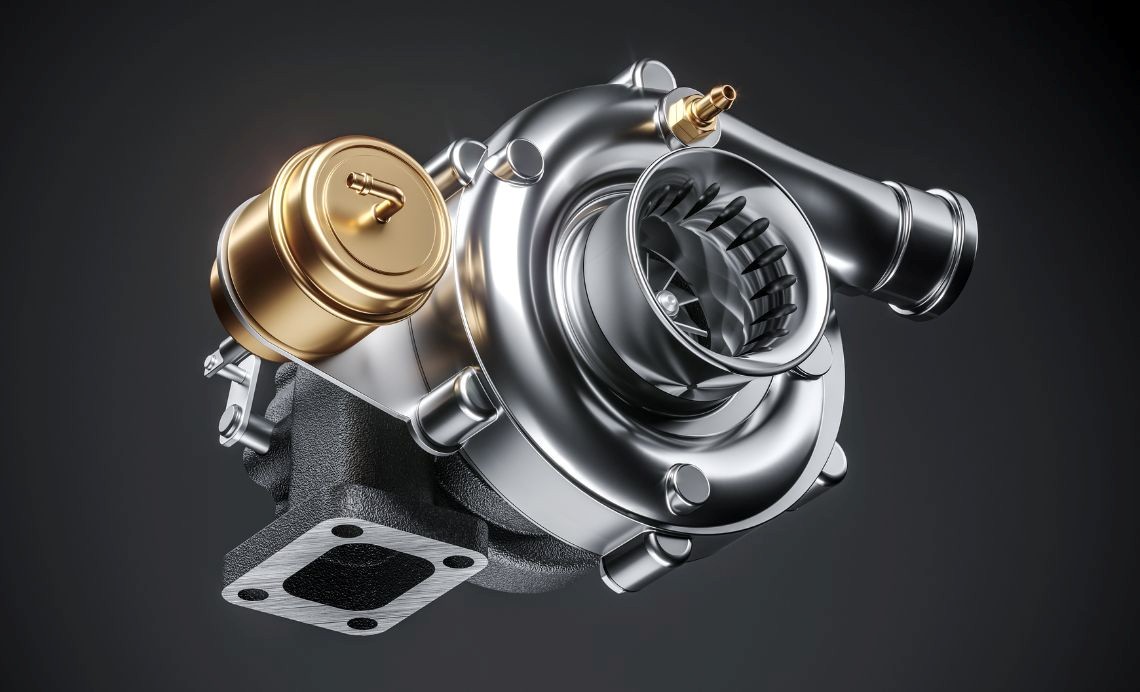
Your vehicle’s turbocharged engine is like a friend who’s incredibly talented but also extremely high-maintenance. It’ll give you amazing performance, but only if you treat it right. Neglect it, and you’ll be dealing with expensive repairs that’ll make your wallet cry harder than you did watching the last season of your favorite show. This beginner’s guide to turbocharger upkeep will help you keep your turbo healthy without needing an engineering degree.
Keep Up With Oil Changes
Think of engine oil as your turbo’s lifeblood. Turbochargers spin at speeds that would make a washing machine jealous—we’re talking up to 200,000 RPM. That said, be sure to change the oil every 3,000 to 5,000 miles, depending on your driving habits and oil type. If you’re the type of driver who treats every green light like the start of the Indy 500, stick to the lower end of that range.
Let It Cool Down
Turbos get hot enough to cook an egg, which is impressive but not particularly useful unless you’re really desperate for breakfast. After driving hard, let the engine idle for 30 seconds to a minute before shutting it off. This allows the oil to circulate and cool down the turbo’s bearings. Shutting off a hot turbo immediately is like jumping into an ice bath after a sauna; technically possible, but probably not the best idea for long-term health.
Watch Your Boost Pressure
Your turbo has limits, and excessive boost pressure can damage internal components faster than you can say “warranty void.” If you’ve modified your vehicle’s engine or are calibrating a new turbo actuator, make sure the boost levels stay within manufacturer specifications. A boost gauge isn’t just a fancy decoration; it’s your early warning system. If the numbers start looking strange, don’t ignore them like you ignore your check engine light.
Keep Your Air Filter Clean
Clean air filters are essential to ensure the turbo gets the airflow it needs to function properly and operate at peak efficiency. Regularly checking and replacing the air filter is a simple yet important maintenance task, especially if you frequently drive in dusty conditions or live in an area where dust seems to have its own zip code.
By keeping the air filter clean, you not only protect your turbo but also enhance your vehicle’s overall performance and longevity.
Nailing Down Turbo Care
Maintaining a turbocharged engine doesn’t require a PhD in mechanical engineering, just common sense and regular attention. Following this beginner’s guide to turbocharger upkeep will help you avoid the kind of repair bills that make grown adults weep.
Treat your turbo with respect, change the oil routinely, and keep the air filters clean. Remember, a well-maintained turbo is like a good joke—it delivers when you need it most and keeps performing long after you’d expect it to give up.