Starting a new hobby can feel overwhelming, especially one with as many gadgets and gizmos as woodworking. Walking into a hardware store reveals aisles of specialized equipment, and it’s easy to wonder which items you actually need. This guide will help you cut through the noise by outlining the essential tools every woodworking beginner should own, ensuring you start your journey with a solid and practical foundation.
Measuring and Marking Accurately
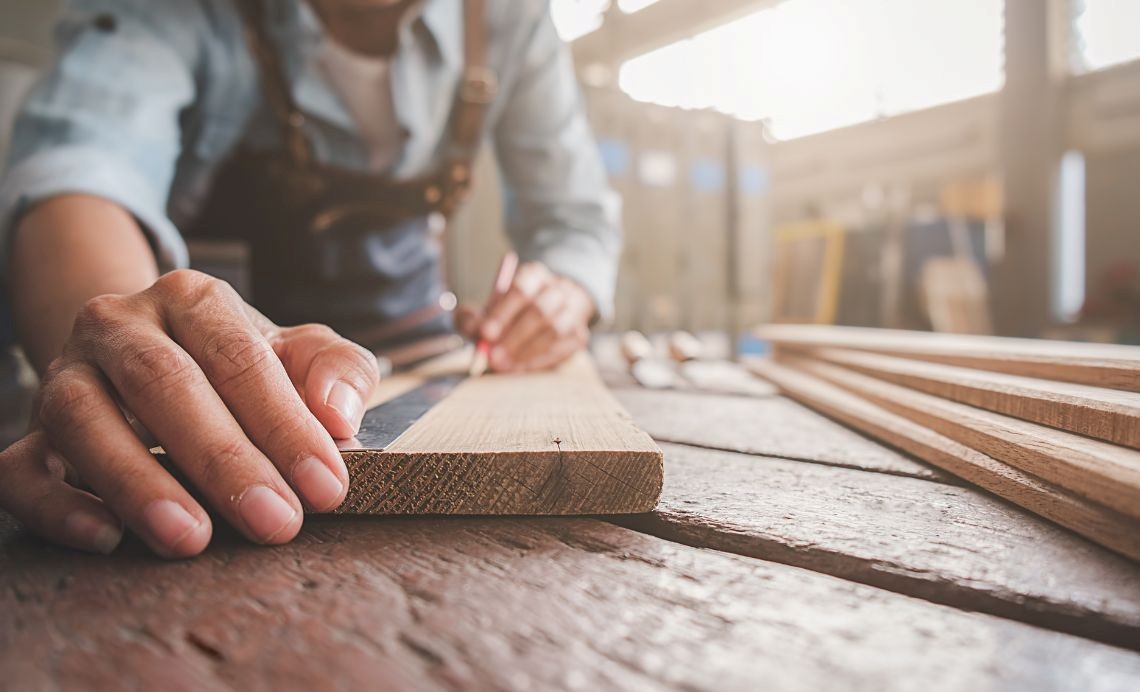
Before you make a single cut, you need to know exactly where that cut should be. A reliable tape measure is your first and most important companion. Look for one that is at least 16 feet long with clear, easy-to-read markings. Alongside the tape measure, a combination square is indispensable for checking angles and ensuring your lines and corners are perfectly straight and perpendicular, preventing a wobbly final product.
Making the First Cut
With your project marked out, the next step is to cut your wood to size. A universal handsaw, often called a panel saw, can handle a wide variety of cuts and helps you develop fundamental sawing techniques. As you gain confidence, you’ll find that mastering the handsaw provides a deep sense of satisfaction and a connection to the craft that is hard to replicate with power tools alone.
Shaping and Smoothing Surfaces
Once you cut your pieces, they will likely have rough edges and uneven surfaces. A block plane is the perfect tool for smoothing these imperfections. It’s small enough to be controlled with one hand and is used to shave off thin layers of wood, leaving a silky-smooth finish. It’s also great for chamfering edges, which is the process of creating a slight bevel. This simple detail can elevate the look of your project from homemade to handcrafted.
Joining Pieces Together
Your project truly begins to take shape when you start joining the pieces. A good set of clamps is non-negotiable; you can never have too many. Bar clamps or F-style clamps are versatile for holding pieces together while the glue dries. Don’t forget a quality wood glue, which will create a bond that is often stronger than the wood itself. For quick assemblies or attaching thinner materials, you might also consider stapling tools for woodworking projects to hold pieces in place securely.
Building Your Workshop
As you start your woodworking adventure, remember that your collection of tools will grow with your skills and ambitions. By beginning with this core set, you equip yourself with the essential tools every woodworking beginner should own without breaking the bank. Focus on mastering these basics, and you’ll build a strong foundation for a rewarding and lifelong hobby. As you gain more skills and confidence, you can tackle more challenging projects and expand your woodworking toolkit.