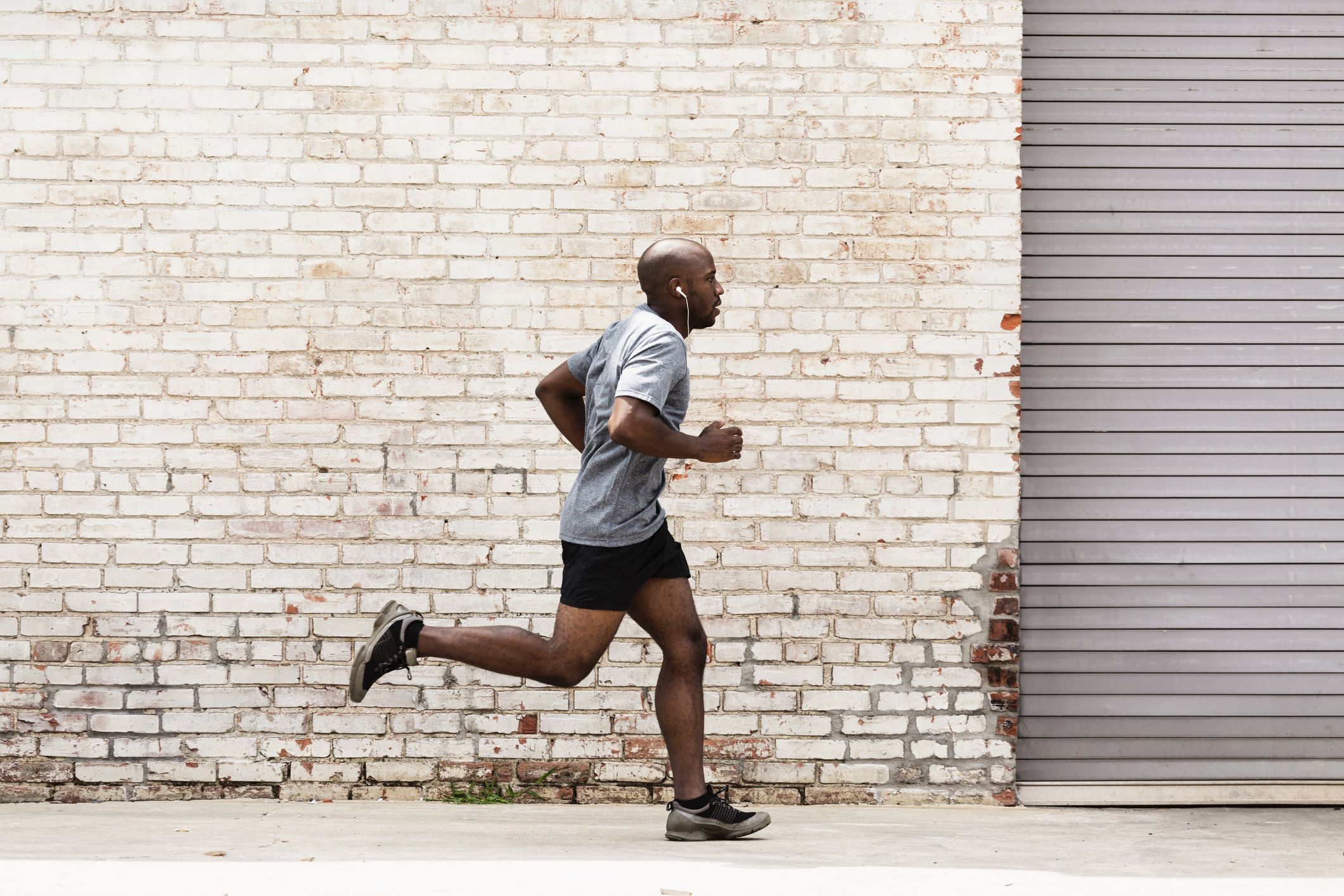
One of the easiest and most efficient types of exercise is running, which offers several advantages, such as better cardiovascular health and increased mental clarity. However, having proper equipment is crucial to protecting your body and getting the most out of the experience. Choosing the right running gear can help you avoid injuries, improve your performance, and guarantee comfort throughout every mile, regardless of your experience running marathons. This article deconstructs the fundamentals of running gear, emphasizing components that affect comfort, safety, and performance.
Apparel for Every Season
Choosing the appropriate running clothing is essential for adjusting to various weather conditions. Moisture-wicking socks, shorts, and shirts are essential during the warmer months to assist in controlling body temperature and lowering the chance of chafing. Fabrics that are lightweight and breathable, like blends of polyester, pull moisture away from the skin to facilitate quick cooling and evaporation. Layering becomes crucial in colder climates. To guard against the weather, choose an insulating layer to hold heat, a base layer that wicks moisture, and an upper layer that can withstand wind. Many runners, especially beginners, prefer reflective gear because it improves visibility and safety, especially during early morning or late runs. Regardless of the weather, putting comfort and breathability first can let you concentrate on your run throughout the year.
High-Quality Socks
Even while shoes get a lot of attention, socks are just as crucial to the health of your feet. High-quality running socks lessen friction between the foot and the shoe and prevent blisters. They are usually made of materials that wick away moisture. To improve comfort, running sock brands frequently include elements like seamless fabrication, targeted cushioning, and arch support. While some versions are made for short, high-intensity workouts, others are made to meet the unique requirements of long-distance runners. Socks with antibacterial qualities or merino wool might provide extra advantages for runners who are prone to blisters or damp feet. However, they can seem like a little feature; a quality pair of running socks greatly enhances comfort and supports the health of the feet during long runs.
Finding the Right Running Shoes
Running shoes are perhaps the most critical item for any runner. They serve as the foundation, impacting every stride and helping prevent injuries like plantar fasciitis, shin splints, and stress fractures. The key to finding the best pair is considering factors such as foot shape, arch type, running terrain, and mileage. For example, if you tend to run on trails, a pair with enhanced grip and stability might be essential. One popular choice among casual runners and athletes alike is the iconic New Balance 530, known for its blend of style, comfort, and functionality. This model exemplifies the modern trend of athletic shoes that not only provide robust support but also sport a versatile, stylish design. Whatever brand or model you select, ensuring the shoes offer adequate cushioning, arch support, and a secure fit can make a significant difference in performance and comfort.
The Right Accessories
Although they may appear like supplementary items, accessories can improve your running experience and fulfill certain demands, particularly on longer routes. Drinking plenty of water is essential, particularly on hot days or during extended exercise sessions. You may carry water comfortably without compromising your stride with alternatives like hydration belts or vests for hands-free hydration. Running-specific sunglasses shield your eyes from UV rays and lessen glare, improving your vision. Another useful tool is a smartwatch or fitness tracker, which can measure parameters like distance, heart rate, and pace. Additionally, a lot of versions have GPS built in, which helps runners monitor their progress and routes. You can track your performance, keep your body fueled, and stay safe in sunny circumstances by adding a few carefully chosen extras to your gear selection.
Stretching and Recovery Gear
Recovery gear can help you keep your muscles flexible and healthy after every run. A common tool for runners, foam rollers improve blood flow, ease tense muscles, and promote a speedier recovery. Post-run pain can be reduced by applying a foam roller to certain areas, such as the quads, hamstrings, and calves. Similar to this, massagers provide deeper muscular stimulation, which is why athletes who run long distances or train hard frequently use them. Over time, stretching aids like resistance bands help increase flexibility and lower the risk of injury. By lowering discomfort and tiredness, incorporating these recovery strategies into your post-run routine can improve your entire running experience and promote long-term muscle health.
Choosing the best running gear is not just about performance; it’s also about comfort, safety, and sustainability in the sport. By investing in the right shoes, choosing seasonally appropriate apparel, selecting quality socks, and incorporating essential accessories, you can enjoy your runs with fewer interruptions and potential injuries. Recovery gear adds a layer of support, helping maintain muscle health and longevity. Whether you’re striving for a personal best or running for leisure, the right gear will make a difference. Equip yourself thoughtfully and enjoy the countless physical and mental benefits that running offers, mile after mile.