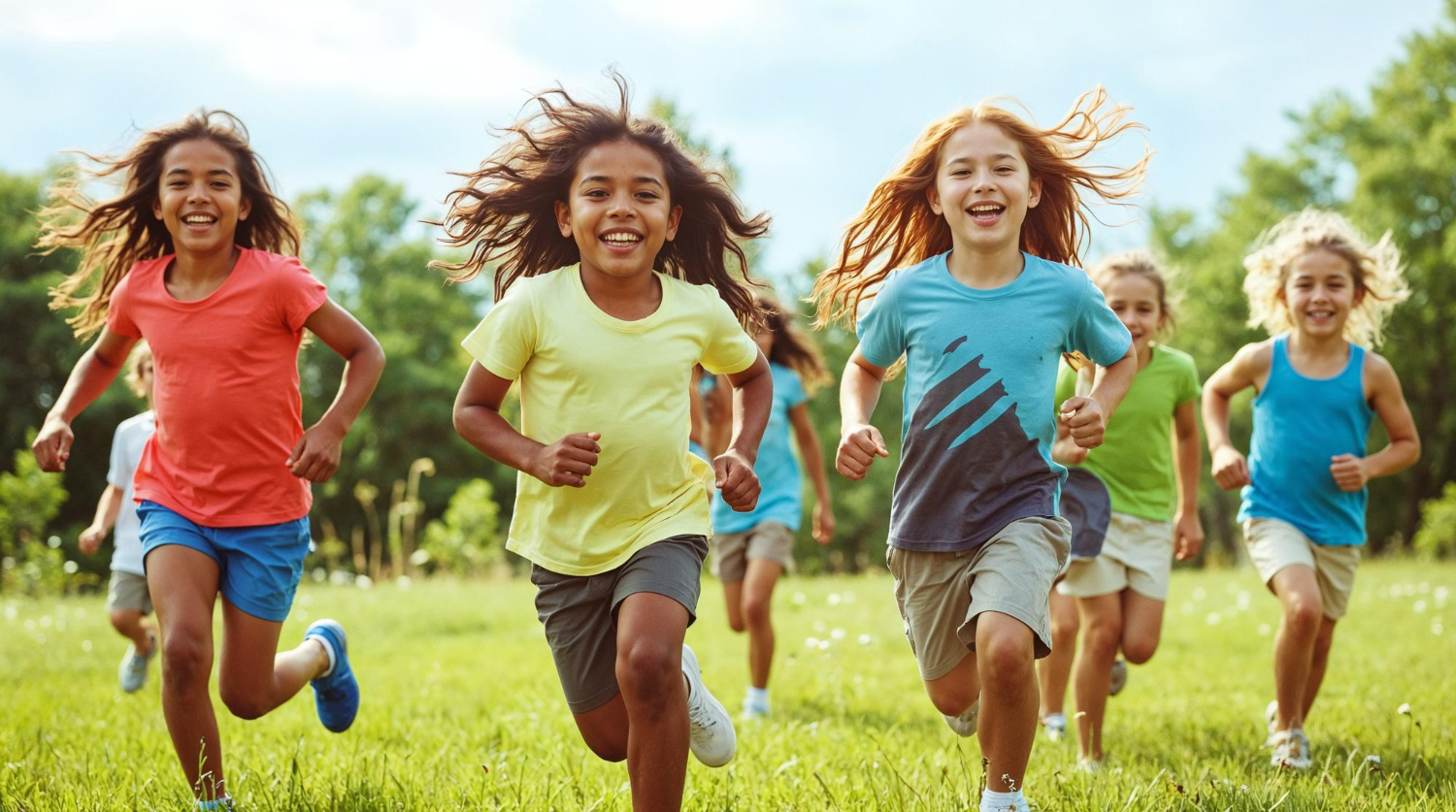
Children today grow up in a fast-moving world. School pressure, screens, and busy schedules often leave little room to simply move and play. But something interesting happens when kids step onto a field, court, or track. Their energy changes. Their focus improves. They feel lighter.
Sports do much more than keep children physically active. They shape how kids think, respond to challenges, and interact with others. Whether a child is spiking a volleyball, shooting hoops, running a race, or kicking a football across a playground, movement has a direct impact on emotional and mental well-being.
In this article, we will look at how sports support children’s mental health and why encouraging regular physical activity can make a real difference in a child’s everyday life.
The Mental Health Benefits of Kids’ Sports
Children do not always express their emotions clearly. Sometimes stress, anxiety, or frustration builds quietly. Sports create a healthy outlet where kids can release that energy while developing important emotional skills.
1. Boosting Confidence
Sports give children opportunities to try, fail, and try again. When a child learns a new move, improves their timing, or finishes a race they once struggled with, they begin to see what they are capable of.
This sense of achievement builds confidence slowly over time. Instead of fearing mistakes, kids start viewing challenges as something they can work through. Even small improvements can make them feel proud of their effort.
2. Social Interaction
Sports naturally bring children together. Whether it is a practice session or a friendly match, kids interact with teammates, coaches, and opponents.
These moments teach children how to communicate, cooperate, and support one another. They learn how to celebrate wins together and handle losses without blaming others. Over time, these interactions help children feel more connected and less isolated.
3. Mental Resilience
Every sport involves setbacks. A missed shot, a slow lap time, or a lost match can feel disappointing. But learning to deal with these moments is one of the most valuable lessons sports offer.
Children begin to understand that setbacks are part of improvement. They learn patience. They learn persistence. This ability to stay calm and continue trying builds mental resilience that helps them far beyond sports.
4. Building Skills
Sports help children develop more than just physical ability. They improve concentration, decision making, and discipline.
A young athlete must listen to instructions, remember techniques, and adjust their actions during a game. These habits strengthen focus and encourage structured thinking. Over time, these mental skills often carry over into school and daily life.
5. Better Sleep
Active children usually sleep better. Physical activity helps release built up energy while also reducing stress and restlessness.
When children participate in regular sports, their bodies follow a healthier rhythm. They fall asleep faster and wake up feeling more refreshed. Better sleep supports mood, attention, and emotional balance during the day.
Great Sports Options for Kids
 Not every child enjoys the same activity, and that is perfectly normal. The goal is to help children find a sport that feels enjoyable rather than forced. Here are some options that work well for different interests and personalities.
1. Yoga
Yoga is a calm and structured activity that teaches children how to control their breathing and movement. It encourages body awareness and relaxation.
For children who often feel anxious or overwhelmed, yoga provides a gentle way to slow down and focus.
2. Kickboxing
Kickboxing combines movement, coordination, and discipline. Children learn controlled strength while improving balance and focus.
It also gives kids a safe way to release stress and energy through structured training.
3. Team Sports
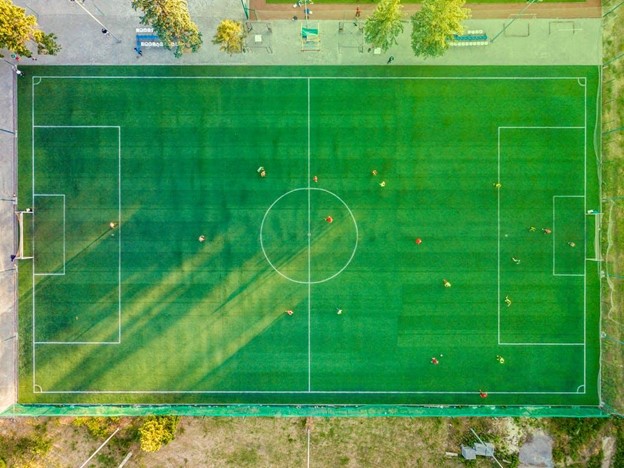
Football, basketball, volleyball, and cricket are great examples of team sports. These activities help children learn cooperation and communication.
- Football: Improves stamina, teamwork, and strategic thinking as players work together to score and defend.
- Basketball: Enhances coordination, agility, and quick decision-making in a fast-paced environment.
- Volleyball: Highlights the benefits of volleyball by improving hand-eye coordination, reflexes, and strong communication between teammates.
- Cricket: Develops patience, focus, and teamwork through both batting and fielding roles.
Working with teammates teaches kids how to share responsibility and support each other during both victories and setbacks.
4. Swimming
Swimming is a full body activity that builds endurance and confidence in the water. It is also one of the safest sports for developing overall fitness.
Many children enjoy the calming nature of water, which can help reduce stress and improve focus.
5. Cycling
Cycling offers freedom and exploration. Children enjoy the sense of movement and independence it brings.
It strengthens leg muscles, improves balance, and allows kids to spend more time outdoors.
6. Running
Running is one of the simplest ways for children to stay active. It requires little equipment and can be done almost anywhere.
Track events or casual running games help build stamina while encouraging goal setting and personal improvement.
7. Gymnastics
Gymnastics focuses on flexibility, strength, and coordination. It challenges children to control their bodies in precise ways.
Learning new routines can build strong discipline while also boosting confidence as children master new skills.
Closing Thoughts
Sports offer children something that goes far beyond physical exercise. They create a space where kids learn confidence, resilience, teamwork, and emotional control.
When children move regularly, they often feel happier, sleep better, and approach challenges with a stronger mindset. Encouraging kids to explore different sports can open the door to healthier habits that stay with them for years to come.