
As a homeowner, you understand the importance of safeguarding your home from harsh weather conditions and severe storms. If you live in an area with unpredictable weather patterns, preparing your home for heavy rainfall is especially vital. Rain can cause significant damage to your property, but you can protect your home from rain when you take the right steps.
Trim Trees and Shrubs Around Your Home
Overhanging tree branches and unruly shrubs can scrape against your roof or siding during storms, potentially causing damage. Heavy branches can break off and fall onto your home, leading to costly repairs. Be proactive by trimming trees and shrubs near your house, ensuring they’re kept at a safe distance. Additionally, removing dead or weak branches helps prevent them from becoming hazards in strong winds.
Invest in a Ventilated Facade
Pooling water near your home’s foundation can lead to serious structural issues, including cracks or water seepage into your basement. Ensure that your downspouts direct water at least three to six feet away from your foundation to prevent this. Downspout extensions can help with this, but you should also consider investing in a ventilated facade.
Ventilated facades are important in humid climates with lots of rain because they help to channel rainwater away from your building. Landscaping can also assist in water management—grading soil so that it slopes away from your home will help keep rainwater at bay.
Clean Gutters and Downspouts
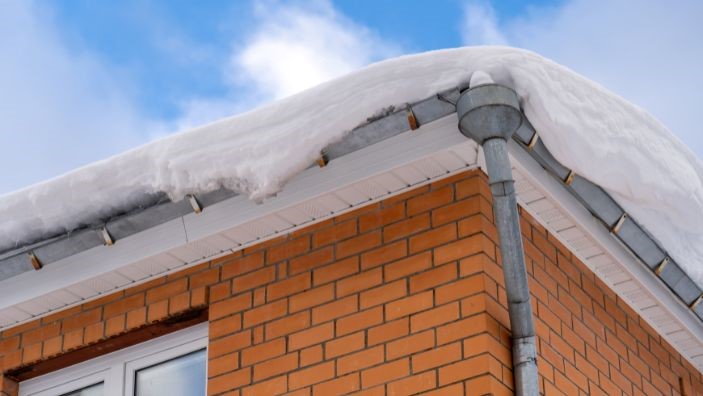
Clogged gutters and downspouts can lead to water pooling on your roof, which increases the risk of leaks and structural damage. Regularly clear out leaves, twigs, and debris to ensure water can flow freely. Pay close attention to downspouts, as blockages here can cause water to overflow and accumulate around your home’s foundation. To minimize maintenance, consider installing gutter guards or screens. These additions can prevent debris buildup while still allowing water to flow through.
Properly Seal Windows and Doors
Windows and doors are common culprits of water intrusion during heavy rain. Ensure that all windows and doors are properly sealed to prevent leaks. Over time, weatherstripping can wear out or become damaged, making it less effective. Replace any worn or damaged weatherstripping and use caulk to seal any visible gaps around frames. For older homes, it might be worth upgrading to modern, energy-efficient windows that offer better sealing and protection against moisture.
There are several ways you can protect your home from heavy rain through protective maintenance and preparation. Taking these steps not only protects your property but also provides peace of mind for you and your family. With a little planning and effort, you’ll be ready to weather any storm with confidence.