Constructing a cable railing system is a great way to improve your home’s aesthetics and functionality. However, you must consider several aspects to ensure a safe and sturdy installation. Review these things to know before building a cable railing system to make the process smooth and efficient.
Your Level of Skill
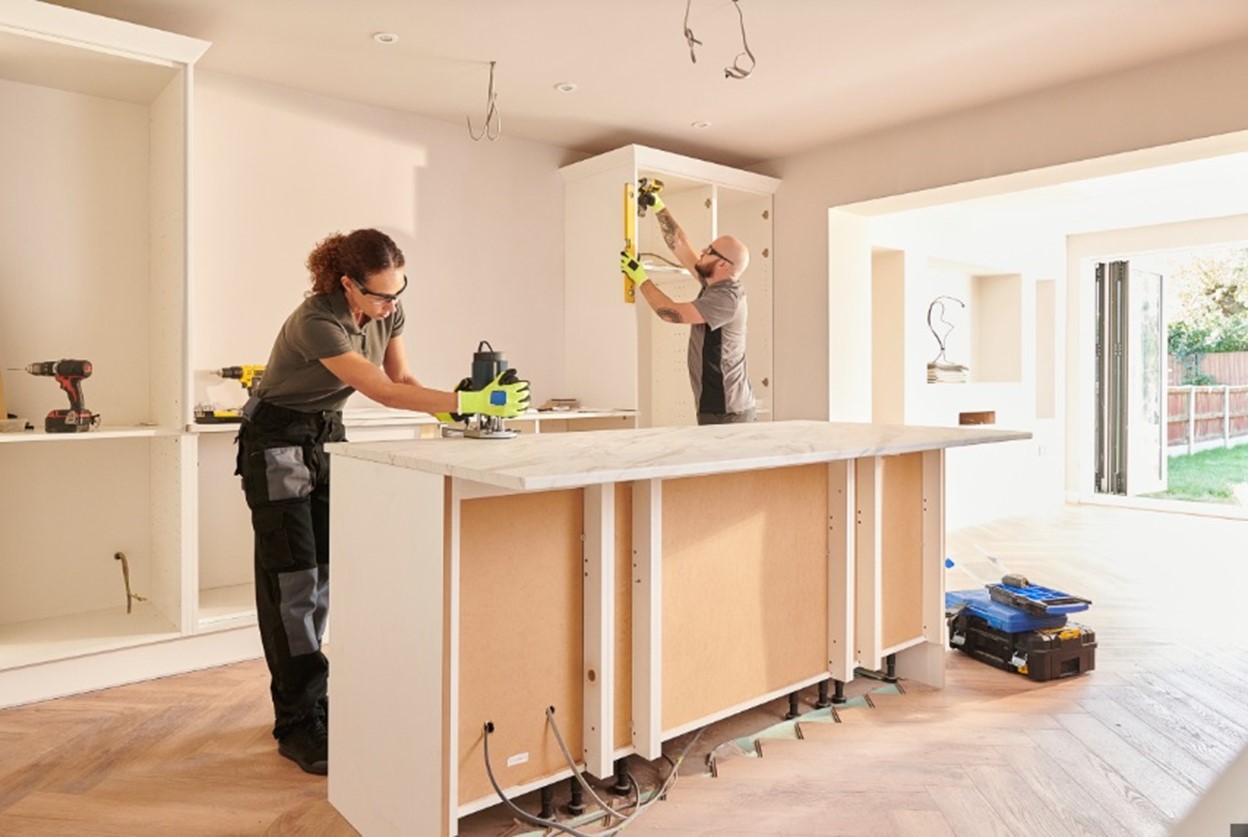
Before embarking on this project, assess your skill level and experience with similar DIY tasks. Cable railing systems require precision and attention to detail, especially when it comes to measuring, cutting, and installing the cables.
You might be ready for the challenge if you’re comfortable with basic carpentry and have experience using power tools. However, if you’re a novice, you may want to spend some time researching and practicing these skills before starting the project in earnest. Alternatively, consider seeking help from a more experienced friend or hiring a professional for the project.
How Much It Will Cost
The cost is another thing to know before building a cable railing system. The total expense will depend on the materials you choose the size of the area you will cover, and whether you opt for professional assistance.
Stainless steel cables and fittings are popular due to their durability and sleek appearance, but they can be expensive. Additionally, consider the cost of tools you must buy if you don’t already own them. Learning about all the required expenses will help you avoid financial surprises mid-project.
The Local Building Codes
Violating local building codes is something to avoid. Research and understand them before you start construction. These codes encourage safe building practices and ignoring them can lead to you paying fines or redoing or removing parts of your installation. Being aware of local building codes ensures compliance and guarantees your railing system will be safe and sturdy.
The Parts and Tools You Need
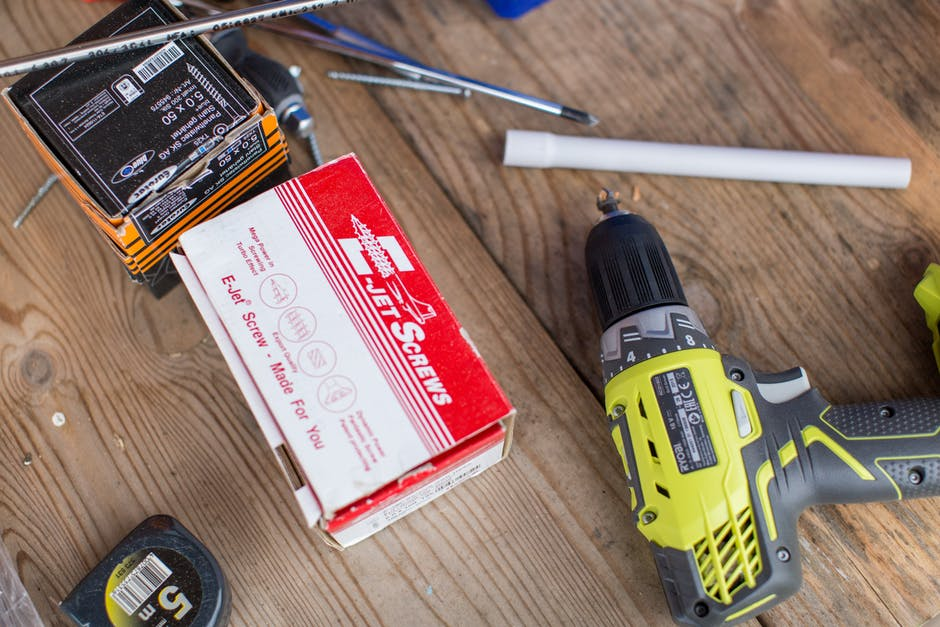
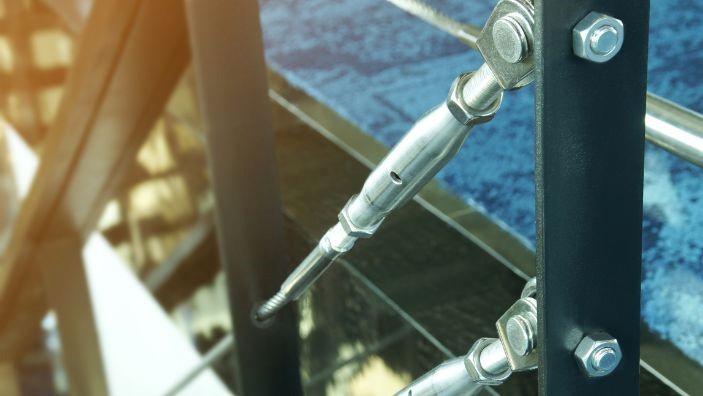
Knowing the parts and tools you need ahead of time will lead to a successful cable railing installation. At the very least, you’ll need cables, tensioners, and posts. In addition, research the differences between swage and swageless cable fittings since your choice can affect the aesthetics of your project. Take the time to gather all necessary components and tools for a smooth installation.
After taking in this information and laying out your tools and supplies, you’ll build a cable railing system that will enhance your property.