Congratulations on your new car! Owning a car is an exciting and liberating experience. However, with the joy of car ownership comes the responsibility of maintaining it to ensure it remains safe, reliable, and in good condition.
Proper car maintenance is essential not only for your safety but also to extend the lifespan of your vehicle. If you’re a new car owner, this car maintenance checklist will help you get started on the right foot.
Regular Oil Changes
Oil is the lifeblood of your engine. It lubricates moving parts, reduces friction, and helps maintain your engine’s overall health. Over time, the oil breaks down and becomes less effective. This is why regular oil changes are crucial.
Check your owner’s manual for the recommended oil change interval, but it’s typically around every 3,000 to 5,000 miles. Neglecting oil changes can lead to engine damage and expensive repairs, so stay on top of this essential task.
Tire Maintenance
Tires are your car’s only point of contact with the road, making their maintenance a top priority. Here are a few key aspects of tire maintenance to remember:
- Tire Pressure: Check your tire pressure regularly (at least once a month) and keep it inflated to the manufacturer’s recommended levels. Proper tire pressure not only improves fuel efficiency but also ensures safe handling and extends tire life.
- Tread Depth: Inspect your tire treads for wear and tear. Worn-out treads can reduce traction, especially in wet or icy conditions. When the tread depth reaches 2/32 of an inch or less, it’s time to replace the tires.
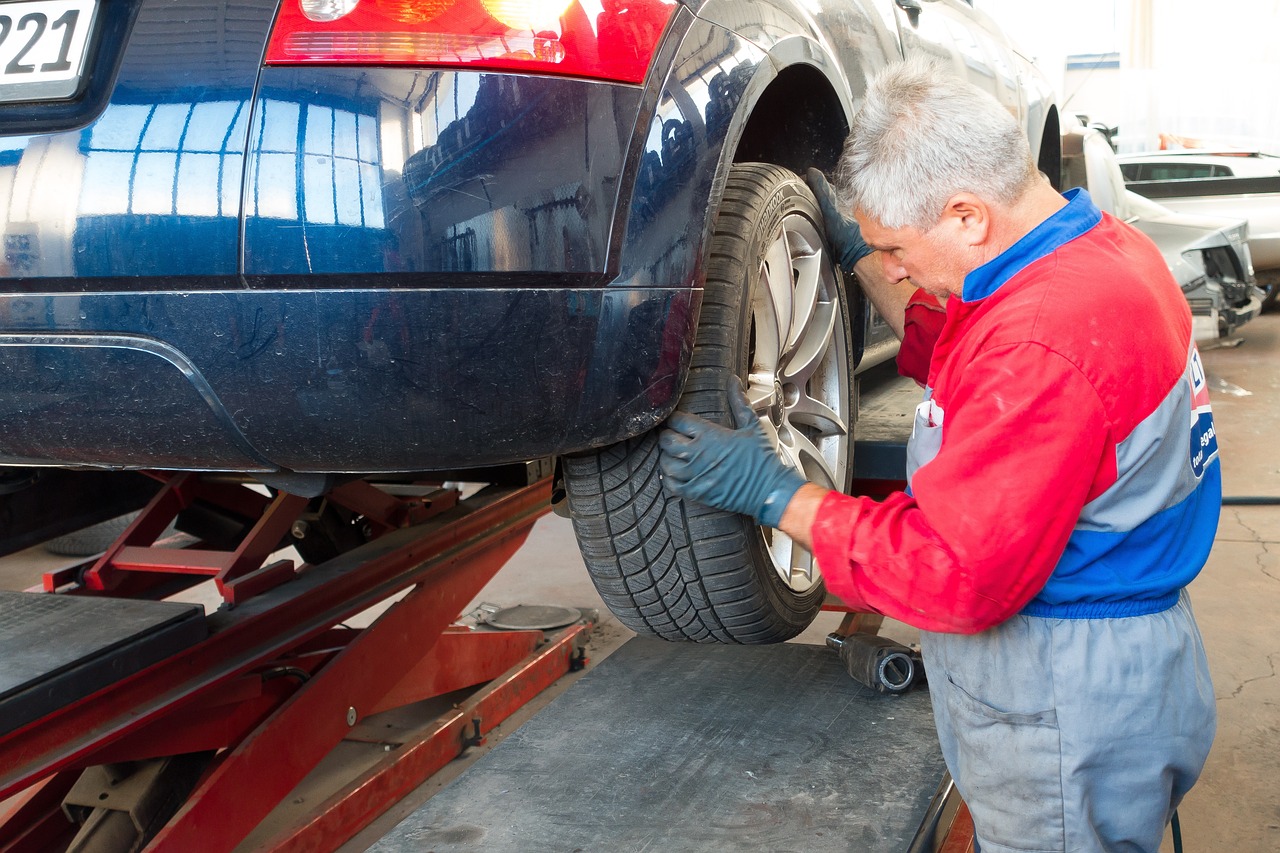
- Alignment and Balancing: Proper wheel alignment and balancing help ensure even tire wear and prevent your car from pulling to one side. If you notice your steering wheel is off-center or your car doesn’t track straight, it’s time to have your alignment checked.
Brake System Maintenance
Your car’s braking system is a critical safety feature. Regular maintenance and inspections are essential to keep it functioning correctly.
Signs that your brakes might need attention include squeaking or grinding noises, pulsation or vibration in the brake pedal, or increased stopping distances. Don’t ignore these signs; they could indicate worn brake pads or other issues that need immediate attention.
Windshield Maintenance
Your car’s windshield plays a vital role in maintaining visibility and protecting you from the elements. To ensure its longevity and optimal performance, make windshield maintenance a priority.
Regularly inspect your windshield for chips, cracks, or pits caused by road debris. Small chips can be repaired, preventing them from spreading into larger, more expensive cracks. Keep the glass clean, both inside and out, to reduce glare and improve visibility.
When cleaning, use a soft, lint-free cloth and a quality glass cleaner to avoid scratches. Additionally, make windshield replacement a priority, If your windshield has extensive damage that cannot be repaired.
Cracks, especially those impairing the driver’s line of sight, and multiple or large chips may require a full windshield replacement. Replacing a damaged windshield is essential not only for your safety but also for the structural integrity of your vehicle.
Fluid Levels
In addition to oil, your car relies on various other fluids to operate correctly. Regularly check the levels of:
- Transmission Fluid
- Brake Fluid
- Power Steering Fluid
- Coolant
- Windshield Washer Fluid
Low fluid levels can lead to poor performance or even damage to your car’s components. If you’re unsure how to check these levels, consult your owner’s manual or a professional mechanic.
Air Filter Replacement
The air filter is responsible for keeping contaminants out of your engine. Over time, it can become clogged, reducing engine efficiency and performance.
Check your air filter regularly and replace it as needed, usually every 12,000 to 15,000 miles, or more frequently if you drive in dusty conditions.
Battery Care
The battery provides electrical power to start your car and run its electrical systems. To ensure a reliable start every time, inspect your battery for signs of corrosion and clean the terminals if necessary.
A weak or dying battery can leave you stranded, so it’s wise to have it tested periodically and replace it before it fails.
Check Lights and Signals
Maintaining proper visibility and signaling to other drivers is crucial for road safety. Regularly inspect your car’s headlights, taillights, turn signals, and brake lights. Replace any burnt-out bulbs immediately to avoid accidents and potential legal trouble.
Wrapping Up
Being a new car owner comes with a set of responsibilities, with car maintenance being one of the most crucial. By following this car maintenance checklist, you can ensure that your new vehicle remains safe, reliable, and in excellent condition.
Regular maintenance not only extends your car’s lifespan but also saves you from costly repairs in the long run. So, take care of your car, and it will take care of you on the road.