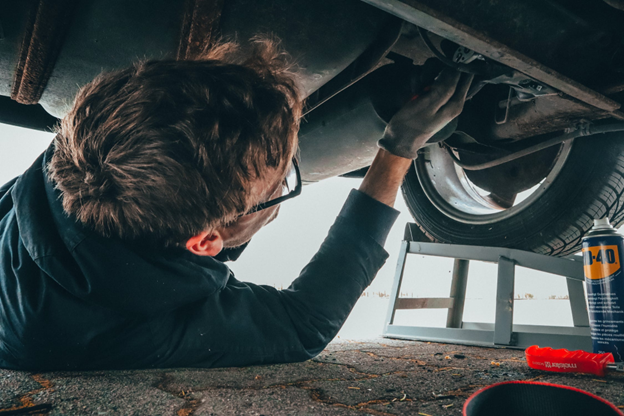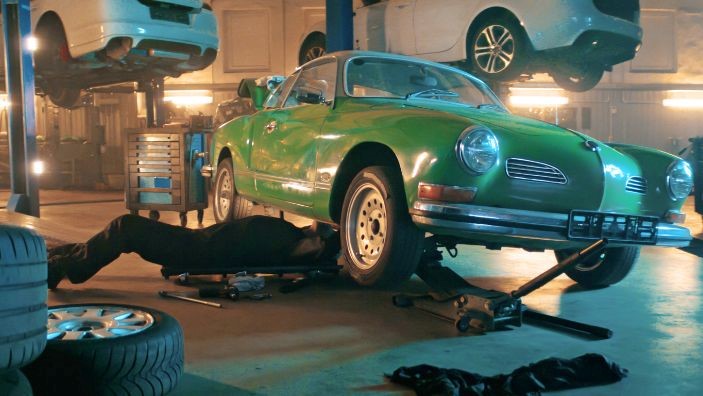
Maintaining a higher-mileage car is an essential part of getting the most out of it, but it’s not always the easiest thing to achieve. As cars age, they require more attention and care to run smoothly. If you own a car with many miles on it, you should know about these higher-mileage car maintenance tips to extend its life and maximize performance.
Watch Your Oil
To ensure your engine runs smoothly, you should monitor your oil levels and change the oil according to the recommended intervals. Fresh oil provides proper lubrication, which is important for newer cars but especially smart to do for older vehicles. More use makes it easier for dirt and debris to get stuck or contaminate the oil, leading to a less effective engine. Older cars with more mileage are also more prone to leaking oil, so it’s crucial to be aware of that.
To keep your engine running well, you must monitor your oil levels and change them according to the manufacturer’s recommended intervals. It’s also necessary to keep an eye out for signs of contaminated oil or low oil levels. These can include burning smells, poor engine performance, and warning lights. When you notice any of these signs, get a professional’s help to change your oil. They’ll get your higher-mileage vehicle back up and running and will know which oil type is best for its make and model.
Know When to Replace Oxygen Sensors
Oxygen sensors play a vital role in monitoring your car’s exhaust emissions and ensuring optimal fuel efficiency. Whether you own a Ford or a Toyota, you must know when to replace these oxygen sensors to maintain your vehicle’s performance. Typically, you should replace your oxygen sensor every 60,000 to 90,000 miles. However, it’s always a good idea to consult your owner’s manual for specific information, watch out for warning signs, and listen to professional recommendations. Some signs that it may be time to replace your sensor include:
- Increased emissions
- Poor fuel economy
- Sluggish engine
Stay proactive with your oxygen sensor replacement so that you can extend your car’s life and keep it running smoothly for years to come.
Practice Safer Driving
Adopting safer and more mindful driving can also help you maintain your car, as you’ll put a much less significant strain on the vehicle. Some safe driving habits that will benefit both your car and your safety include gentle acceleration, smooth braking, and being careful with the weight you carry. Adopting these habits can reduce the strain on your higher-mileage car and extend its life. They’ll also contribute to a safer driving experience for you and others on the road.
Maintaining a higher-mileage car requires extra care, which is why there are many relevant tips you should know about. These include inspecting different components and repairing and replacing them as needed. With proper maintenance, you can keep your car running smoothly and safely for years.