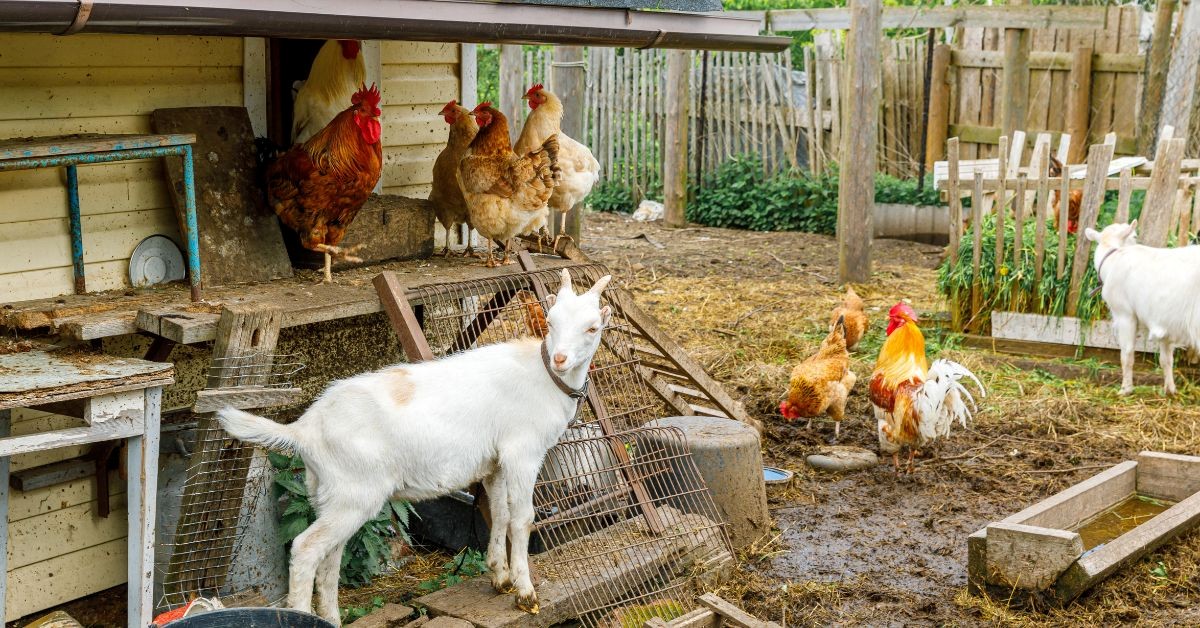
Interest in homesteading has grown among families looking to become more self-sufficient and intentional with their time and resources. For fathers, it offers an opportunity to teach practical skills, encourage responsibility, and create shared routines that extend beyond typical daily habits. Below are several practical tips to help you start a homestead with your family!
Start Small and Build Gradually
Beginning with a limited scope allows families to learn essential skills without unnecessary pressure. A small garden or a few backyard chickens can provide a practical introduction while keeping daily responsibilities manageable.
Gradual expansion also allows time to evaluate what works and what does not. As confidence and experience increase, additional elements can be introduced without disrupting the household routine.
Assign Clear Roles and Responsibilities
A functional homestead depends on consistency. Assigning age-appropriate responsibilities ensures that each family member contributes to daily operations while developing practical skills.
Children can assist with simple, repeatable tasks such as watering plants or feeding animals. On the other hand, older family members can take on more complex responsibilities. This structure reduces inefficiencies and helps maintain accountability across the household.
Plan Infrastructure Before Adding Livestock
You should plan your setup before buying animals or investing in equipment. Additionally, factor in space, where livestock will live, local regulations, and ongoing maintenance needs.
As you evaluate the area, you should also decide what type of fence is best for your setup and animals. This is especially important when planning for livestock that require more secure containment. For example, choosing the wrong fence height is one of the most common mistakes people make when fencing goats. Without proper containment, animals can quickly damage property or escape, creating ongoing issues.
Focus on Cost-Efficient Solutions
Homesteading does not require significant upfront investment. Many effective solutions involve repurposing materials or starting with basic tools that can be upgraded over time.
Below we’ve listed some common cost-conscious approaches:
- Building garden beds from reclaimed materials
- Composting organic waste for soil enrichment
- Using rainwater collection systems
- Raising chickens for a consistent egg supply
Prioritizing efficiency over scale helps maintain financial balance while still achieving meaningful progress.
Develop a Sustainable Family Routine
When starting a homestead as a family, you should also integrate it into daily life rather than compete with it. Establishing routines keeps daily tasks consistent without overloading any one person, making it easier for the family to adjust when challenges come up. Over time, that structure supports not just food production, but also shared experiences and practical skills that stick.
If the idea has been sitting in the back of your mind, it is probably worth exploring. You do not need everything figured out to begin, just enough to take that first step and see where it leads.