Starting your journey into the world of cars can feel overwhelming, especially when everyone around you seems to speak in a foreign language of pistons, camshafts, and compression ratios. But once you understand how engines work, you have the foundation to appreciate everything from weekend garage projects to spirited conversations at car meets. Explore engine basics for newbie auto enthusiasts with this guide.
Cylinder Count
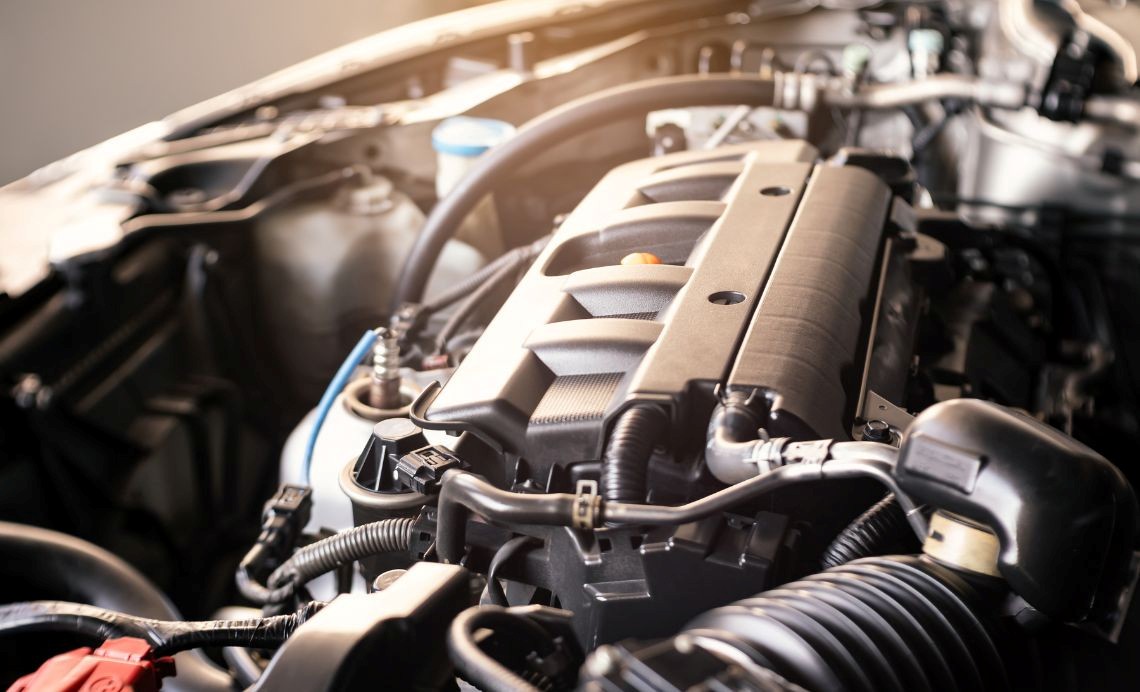
When car enthusiasts talk about their engines, you’ll often hear them mention numbers like “four-cylinder” or “V8.” These numbers refer to how many cylinders the engine contains, and each cylinder houses a piston that moves up and down to create power.
Four-cylinder engines typically appear in economy cars and offer excellent fuel efficiency, making them perfect for daily commuting. Six-cylinder engines strike a balance between power and efficiency, providing smooth operation with moderate fuel consumption. Eight-cylinder engines deliver serious power and that distinctive rumbling sound many enthusiasts crave, though they consume more fuel in the process.
Ignition Systems
The ignition system creates the precisely timed spark that ignites the fuel-air mixture in each cylinder. Spark plugs serve as the business end of this system, so it’s important to understand how the different parts of a spark plug work to ignite fuel and start the engine.
Ignition coils transform the car’s 12-volt electrical system into the thousands of volts needed to create this spark. Modern engines use individual coils for each cylinder, allowing for more precise timing control compared to older distributor systems. The engine control module coordinates this entire process, ensuring each cylinder fires at the optimal moment for maximum power and efficiency.
Basic Engine Components
Three critical components work together to convert the explosive force of combustion into rotational motion: the pistons, crankshaft, and camshaft. Understanding the role each of these components play is an important part of engine basics for newbie auto enthusiasts.
Pistons fit snugly inside cylinders and move up and down as the four-stroke cycle of intake, compression, power, and exhaust progresses. The crankshaft connects to these pistons through connecting rods, converting their linear motion into the rotational motion needed to turn the wheels. The camshaft controls the opening and closing of intake and exhaust valves, ensuring they operate in perfect synchronization with piston movement.
These components must work together with incredible precision, often operating at thousands of revolutions per minute while maintaining exact timing relationships.
Your engine knowledge journey starts with these fundamentals, but don’t stop here. Get under the hood of your own vehicle and identify these components firsthand—there’s no substitute for hands-on learning when it comes to understanding how your car really works.