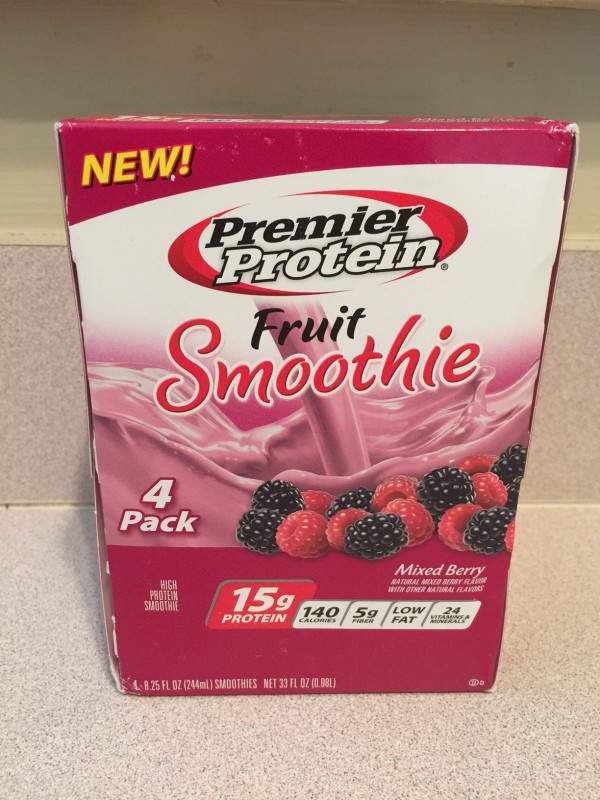
To support and improve heart health, several supplements have been studied for their potential benefits. However, they should complement, not replace, a heart-healthy diet, regular exercise, and medical care. You can make it a family event by doing family activities. You may go in another direction by improving your heart’s health without working out. For me, I’m a supplement guy and those are what I’ve been taking for a while now. Below are some commonly recommended supplements that help improve your heart health.
1. Omega-3 Fish Oil

Omega-3 fatty acids, particularly from fish oil, are generally beneficial for heart health. They can help lower triglycerides, reduce the risk of arrhythmia, slow plaque buildup in arteries, and slightly lower blood pressure. While some studies show a link between fish oil and reduced risk of heart disease events, others suggest limited benefits for healthy individuals. However, omega-3s, especially EPA and DHA, are recommended for those with existing cardiovascular disease or high triglycerides. Swanson has Lemon-Flavored Omega-3 Fish Oil soft gels for less than $10. They come with 150 in the bottle and each one gives you the supplements needed daily.
2. Magnesium Citrate

Magnesium Citrate is often used for constipation, but it’s also good for heart health. It helps regulate heart rhythm, and some studies suggest it may help lower blood pressure and reduce the risk of cardiovascular disease. Magnesium is important because it plays a key role in the basic cellular function of the heart and nervous system, offering cardiovascular support and promoting healthy blood pressure levels. The Super Strength Swanson Magnesium Citrate is what you need and it also helps with your muscles and bones.
3. Coenzyme Q10 (CoQ10)
Coenzyme Q10 (CoQ10) is a naturally occurring antioxidant that plays a vital role in cellular energy production, particularly in heart cells, which have high energy demands. Studies suggest CoQ10 supplementation may be beneficial for various heart conditions, including heart failure, hypertension, and coronary artery disease, by improving cellular bioenergetics, reducing oxidative stress, and potentially lowering blood pressure.
4. Fiber (Psyllium, Inulin, etc.)
Certain types of fiber, including psyllium and inulin, have been shown to have positive effects on heart health. Psyllium lowers cholesterol by binding acids and cholesterol in the digestive tract. It also helps reduce risk of coronary heart disease. Inulin alleviates hypertension and cardiac injury. Inulin-type fructans, when added to foods and beverages, may modestly decrease serum triacylglycerol.
5. Plant Sterols and Stanols
Plant sterols and stanols, naturally occurring substances found in plants, can help lower LDL (bad) cholesterol levels and potentially reduce the risk of heart disease. They work by inhibiting the absorption of cholesterol in the gut. While they are not a substitute for medication or a healthy diet, they can be a useful addition to a heart-healthy lifestyle.
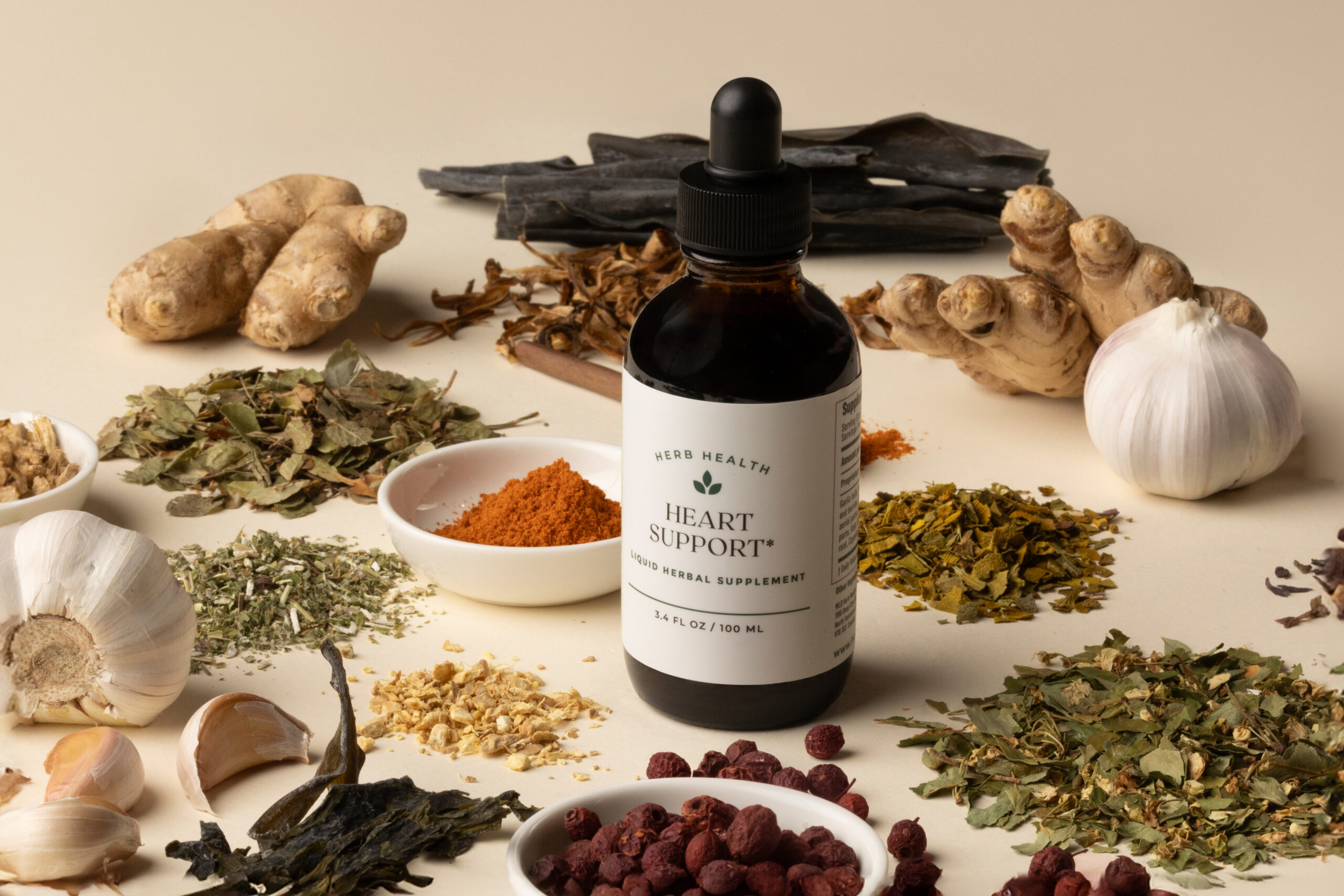
6. Herb Health Heart Support
Herb Health provides liquid to help with a healthy circulation and support cardiovascular health. Liquid absorbs in your body quickly to ensure a healthy blood flow. Organic Garlic, Hawthorn flowers, leaves, and berries, Coleus forskohlii root, Motherwort, Bilberry, Butcher’s Broom, Kelp, Mistletoe, Ginger, and Cayenne Pepper are key ingredients.
7. Vitamin D
Linked to reduced risk of cardiovascular events in deficient individuals. Low levels of vitamin D have been linked to increased cardiovascular disease. Research on vitamin D supplementation for heart health is mixed, with some studies showing no benefit. Vitamin D is important for bone health and may play a role in heart health, but it’s not a guaranteed preventative measure for heart disease.
8. Garlic Extract
Garlic extract, particularly aged garlic extract (AGE), has shown promise in supporting heart health. Studies suggest it may help lower blood pressure, improve cholesterol levels, and potentially even reverse some arterial plaque buildup. While research is ongoing, garlic extract is generally considered safe and could be a beneficial addition to a heart-healthy lifestyle.
9. L-Citrulline or L-Arginine
Both L-arginine and L-citrulline are amino acids that are important for cardiovascular health, primarily due to their role in the production of nitric oxide. L-arginine is a direct precursor to NO. The body converts L-arginine into NO through the action of the enzyme nitric oxide synthase (NOS). L-citrulline is converted to L-arginine in the body, which then is used to produce NO. This provides a more sustained release of NO compared to direct L-arginine supplementation. Both L-arginine and L-citrulline can improve blood flow by promoting vasodilation. This can be helpful for conditions like peripheral arterial disease. Curcumin
10. Curcumin (Turmeric Extract)
Anti-inflammatory and antioxidant effects that support vascular function. Curcumin, the active compound in turmeric, may offer some cardiovascular benefits due to its anti-inflammatory and antioxidant properties. Studies suggest it can improve vascular endothelial function, reduce inflammation in arteries, and potentially lower cholesterol levels. However, curcumin’s bioavailability is low, meaning it’s not easily absorbed by the body, which can limit its effectiveness.
11. Resveratrol
Antioxidant that may support blood vessel health and reduce inflammation. Resveratrol, a natural compound found in grapes and red wine, shows promise for heart health due to its antioxidant, anti-inflammatory, and anti-coagulant properties. While some studies suggest resveratrol can help lower cholesterol and reduce the risk of blood clots, leading to a lower risk of heart disease, more research is needed to fully understand its benefits and potential risks.