If you’re planning a hunting trip this season, whether it’s your first one or you’re trying out a new location or new game for the first time, it’s important to seriously consider your gear. High-quality gear is important, but specificity for the circumstances of the hunt matters a lot, as well. Here, we’re going to look at how to ensure you’re equipped as best as possible.

Clothing And Camouflage
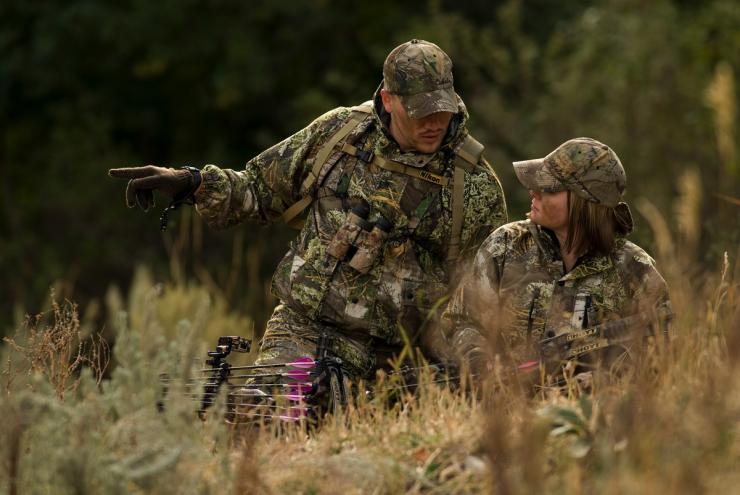
Most hunting trips involve spending long hours outdoors in all kinds of different weather conditions and, as such, you must ensure you have the right clothing. Layered, moisture-wicking gear keeps hunters dry, warm, and alert, while improper attire can cause discomfort or even hypothermia. Aside from your comfort, camouflage patterns are important for blending into your environment, reducing the chance of detection. There are different kinds, including woodland, snow, and desert patterns, so be sure to pick the one best suited to the specifics.
The Right Firearm
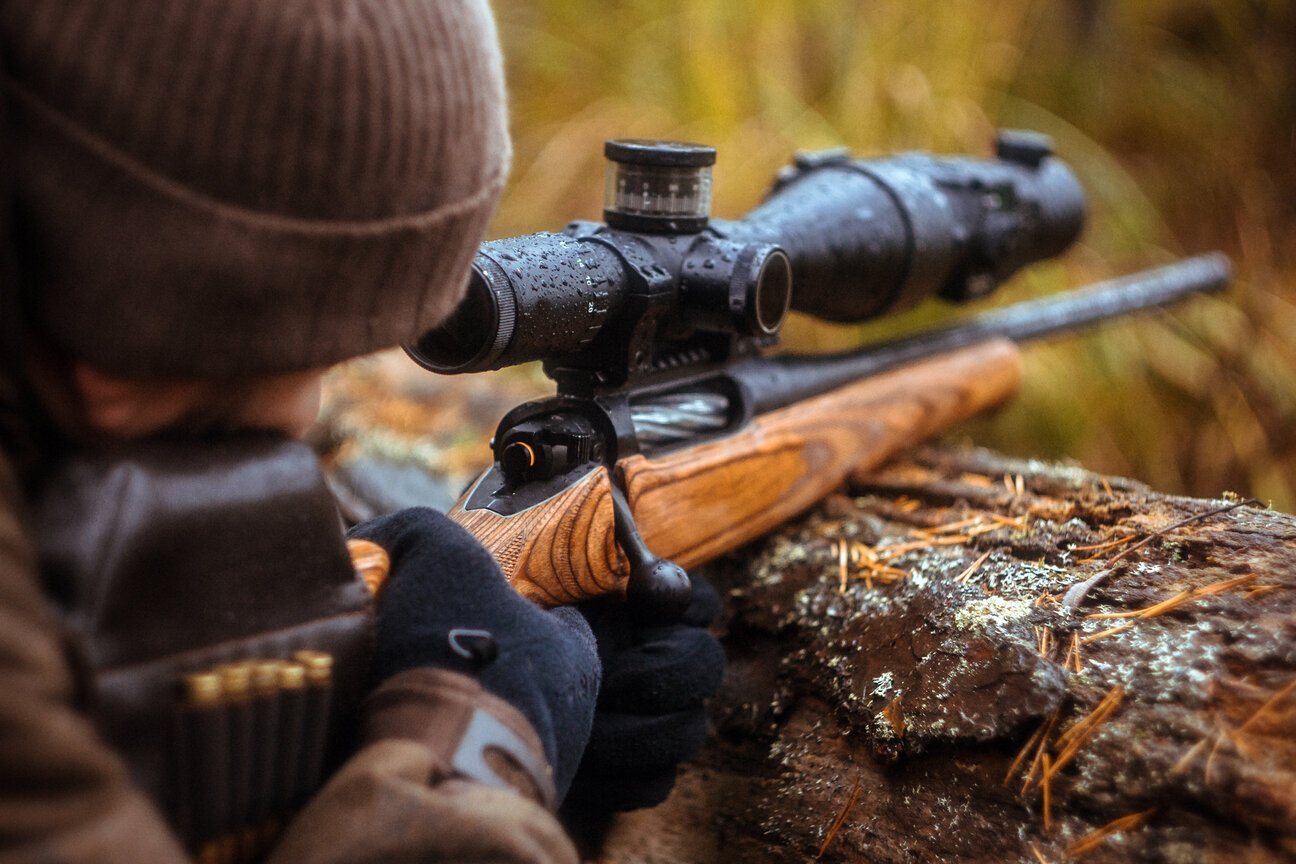
Your choice of firearm matters just as much, especially if you’re looking to make your hunt not just successful but ethical. Different game species tend to require different firearm types. For instance, a bolt-action rifle might be ideal for deer due to its accuracy and power, while a shotgun is better suited for bird hunting or small game. You should also consider how well the firearm handles in different terrain, as well as the distance required per hunt. Your own personal skill plays a great role, too, so practice in a shooting range can be vital.
Even Your Bullets Matter
Picking the right bullet type and caliber are vital for humane, efficient kills. Use one that’s under powered, and you may be more likely to wound than to kill, which can also allow your quarry to escape. For game that requires a greater distance, you can choose rifle cartridges known for accuracy and long-range performance. For bigger animals like elk and bear, then you may want to consider heavier, controlled-expansion bullets designed with deeper penetration and lethality in mind.
Optics And Scouting
As any practiced hunter will tell you, before you can land a shot, you need to see the animal first. Optics like binoculars, rangefinders, and rifle scopes dramatically improve a hunter’s ability to identify and engage game at various distances. High-quality binoculars help spot animals without disturbing them, while rangefinders calculate accurate distances to improve shot placement.
Your Other Practical Tools
Hunting is about a lot more than shooting; it’s also about navigation and survival in the wild. As such, you should put together a hunting pack with essentials like first-aid kits, water, snacks, and field dressing tools. If you’re looking to harvest meat, skins, or otherwise, then high-quality knives and bone saws can be vital, as well. If you’re in a remote area, then be sure to have essentials like fire starters and a reliable multitool, too.
Every new hunt should have you double-checking your gear and making sure that you’re using the tools best suited for the job. A successful hunt is all about preparation, first and foremost, after all.