Tackling home repairs yourself can be empowering and cost-effective. From painting walls to installing shelves, DIY projects save money and provide a sense of accomplishment. But when it comes to DIY foundation repair, the stakes are much higher.
Your home’s foundation supports everything above it. A small oversight during a repair can lead to serious structural issues, safety hazards, and expensive fixes down the road. In this guide, we’ll cover when DIY solutions make sense, warning signs you shouldn’t ignore, and when it’s time to call in the experts.
Common DIY Foundation Repairs
Some foundation maintenance tasks are safe and manageable for handy homeowners. Here are a few DIY foundation repair tasks you can reasonably attempt:
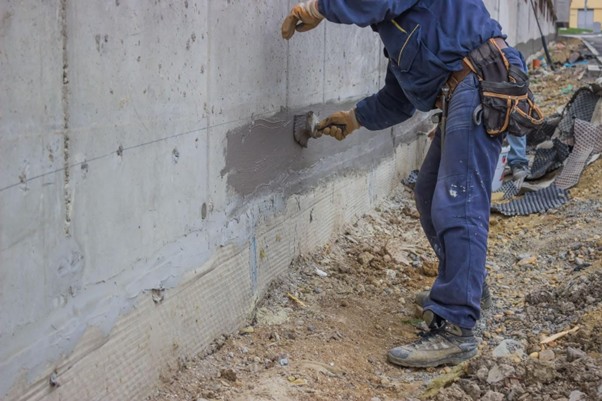
- Filling Small Cracks: Thin, non-structural cracks (less than ⅛ inch) in concrete walls or floors can often be filled with epoxy or polyurethane sealant to prevent water intrusion and further damage.
- Improving Drainage: Redirecting downspouts, installing gutters, and sloping landscaping away from your foundation can reduce hydrostatic pressure and prevent water-related foundation problems.
- Minor Reinforcements: Installing vapor barriers, insulating crawlspaces, or applying waterproof paint in basements can help control moisture on a small scale.
Tip: While these are often reasonable first steps, they typically don’t address the underlying causes of foundation movement or damage. It’s essential to monitor the area and know when a deeper problem exists.

Warning Signs You’re in Over Your Head
Foundation damage can escalate quickly, and certain signs signal that a quick DIY fix isn’t enough. If you notice any of the following, it’s time to take action beyond the toolbelt:
- Deep or Expanding Cracks: Horizontal or stair-step cracks in foundation walls can indicate significant structural movement.
- Uneven Floors or Sagging Ceilings: These signs suggest your foundation is no longer level, possibly due to soil shifting or settling.
- Sticking Doors or Windows: When openings no longer fit their frames properly, it often points to foundation settling or warping.
- Water Infiltration or Mold: Persistent moisture in the basement or crawlspace can mean drainage issues or foundational cracks.
- Bowed or Shifting Walls: Walls that curve inward or move out of alignment are a serious structural warning and often require immediate professional attention.
Key Message: These red flags often signal home foundation problems that require a trained eye. Continuing DIY efforts without proper assessment could make things worse.

Risks of DIYing Serious Foundation Problems
Tempted to go the DIY route despite the warning signs? Here’s why it might not be worth the risk:
- Worsening the Problem: Without addressing the root cause, superficial fixes can allow damage to spread, leading to more extensive repairs later.
- Voiding Warranties or Insurance: DIY work might not meet the standards required to maintain home warranties or insurance policies, especially if the repair fails.
- Safety Hazards: Structural work can be dangerous. Shifting walls or unstable floors pose a real risk of injury.
- Higher Long-Term Costs: Cutting corners now could lead to tens of thousands of dollars in future repair work.
Pro Insight: We’ve seen homeowners cover up foundation cracks with sealant, only to discover years later that the structure had settled dramatically, requiring full pier installation and slab replacement. What could have been a manageable repair became a full-scale overhaul.

When to Call the Pros
Foundation repair contractors have the tools, training, and technology to get the job done right. Here’s when professional help is not just helpful, but essential:
- You see structural movement or bowing in walls
- Cracks are larger than ⅛ inch or are growing over time
- Water intrusion is persistent despite surface fixes
- The home is sinking or shifting
Professional services may include:
- Structural peering or underpinning
- Wall anchors or carbon fiber reinforcements
- Advanced drainage and waterproofing systems
- Soil stabilization
When you work with a local foundation repair company, you gain peace of mind that the job is handled safely, with long-term results in mind. Expert evaluations often come with warranties and help maintain your property’s value.
Conclusion: Know Your Limits, Protect Your Home
DIY has its place, but when it comes to your foundation, safety, precision, and experience are non-negotiable. If you’re unsure whether a crack or a sinking section of your home is serious, don’t wait for the problem to grow.
Getting a foundation inspection by a qualified expert is often free, and it can save you thousands down the line.