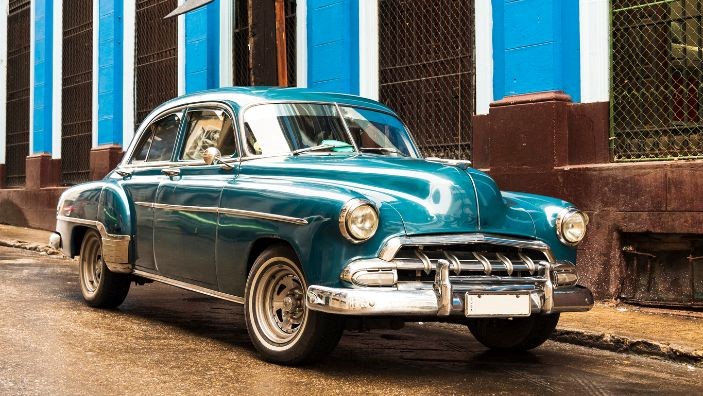
Buying a classic car is like dating; it’s all about finding the right one. You don’t want to end up with a lemon or a dealer who sells faulty goods.
This guide will help you navigate the thrilling, sometimes treacherous, world of classic car dealers. Whether you’re looking for a shiny vintage Mustang or the ever-adorable VW Beetle, understanding how to determine whether a classic car dealer is legit can save you time, money, and a lot of heartache.
Research, Research, Research
Before stepping foot onto any dealer’s lot, turn into Sherlock Holmes. Review the dealer’s website, social media profiles, and online reviews.
Make sure they have a solid reputation. Pay attention to the reviews left by previous customers. If you see more complaints than compliments, that’s your cue to steer clear. Remember, legitimate dealers will have a track record of satisfied customers who are more than willing to share their experiences.
Inspect the Inventory
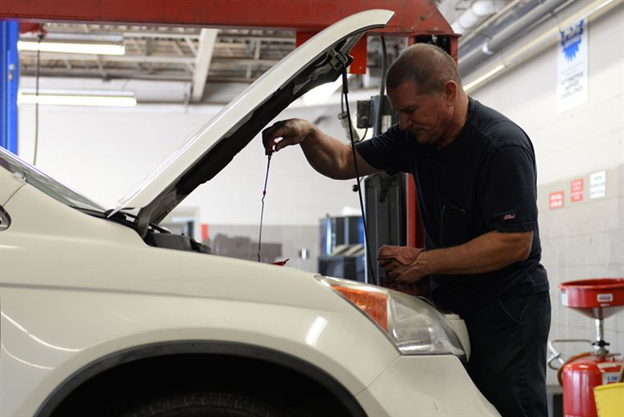
When visiting a classic car dealer, look beyond the shiny paint jobs and fresh wax. Inspect the inventory closely. A reputable dealer will allow you to inspect the cars thoroughly, including peeking under the hood, checking for rust, and looking for hidden skeletons—figuratively speaking, of course.
If you’re serious about inspecting a classic VW, take your time to check for any discrepancies. Look for documentation that proves the car’s history, including past ownership and restoration records. Consider it a red flag if a dealer hesitates to show you this information.
Ask About Their Expertise
A legitimate dealer knows their stuff. They should have no problem telling you everything about the cars they sell—from engine specifications to the history of the model. You should look elsewhere if they struggle to answer basic questions or resort to vague explanations.
Ask them about their favorite classic cars or any personal restoration projects they’ve tackled. Genuine passion and knowledge can go a long way in proving they’re on the up and up.
Evaluate Customer Service
The way a dealer treats you is a strong indicator of their legitimacy. A reputable dealer values customer service and will go out of their way to make you feel comfortable. They should answer your questions, offer test drives, and provide a clear understanding of the purchasing process.
You should walk away if you feel pressured to make a quick decision or a salesperson dodges your questions. Remember, it’s your money, and you deserve to make an informed decision without any high-pressure tactics.
Verify Licensing and Insurance
A classic car dealer should have all the necessary licenses and insurance. Check for dealer licensing and any affiliation with local or national automotive organizations. This accreditation adds a layer of credibility to their business.
Don’t hesitate to ask for proof of their credentials. Legitimate dealers should have no problem showing you this information. You should pump the brakes on your search if they can’t.
Determining whether a classic car is legit doesn’t have to feel like a game of roulette. By doing your homework, inspecting vehicles, engaging with the dealer, and verifying their credentials, you can confidently navigate the classic car landscape.
With these tips, you can drive off with a classic car that makes your heart sing rather than a clunker that makes your wallet cry. Happy hunting!