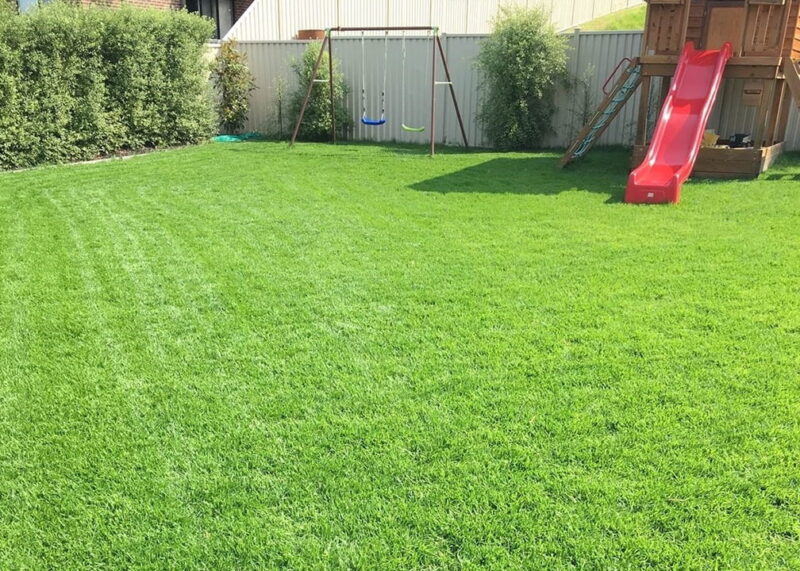
Transforming lackluster garden beds, patchy lawns, or mud patches into vibrant green havens full of curb appeal and functionality means quality turf choice matters greatly. As the most hardy, low maintenance grass variety suited for Australian conditions from drought tolerance to sandy and coastal soil adaptations; Kikuyu continues surging in popularity amongst homeowners, landscapers and commercial complexes focused on durable, lush grass with minimal upkeep demands once established.
However, all Kikuyu turf gets graded across characteristics like weed content, thickness, lushness, drainage factors, soil base structures and more which influence price points and long-term viability dramatically once unrolled. This is where vetting suppliers upfront and asking the right questions to kikuyu turf supplier like Buffalo Turf sets you up for success:
Is The Kikuyu Turf Locally Grown?
While production costs for Australian-farmed Kikuyu generally exceed imported turf from Asia, local soil conditions, rainfall, and climate while grass crops are maturing better equip them for adapting well when transplanted into Australian gardens and parks. Foreign grass strains often falter adjusting to our ecosystem. Always verify source origin and how long any non-local turf has been acclimatized domestically before sales. Reputable sellers declare transparency upfront about origin, propagation methods and acclimation processes.
Does The Turf Boast Certified Low Weed Count?
Unlike decorative turf types often grown via sterile sod mats, hardworking Kikuyu gets cultivated from live seeds making vigilant weeding essential for minimizing transfer into customers’ gardens. Probe about seed quality sources, weed prevention steps taken and ask for recent lab analysis reports verifying certified low weed count in harvested Kikuyu lots (maximum 5 seeds per square meter of turf qualifies as low-grade) to make planting hassle-free.
How Thick Is the Turf?
Pay close attention to thickness quoted for turf rolls as this hugely governs durability and installation ease. Between 10mm-30mm qualifies as suitably thick for easy handling and good moisture retention once unrolled. Probing the density and thickness also indicates healthy root structures below able to reestablish successfully after placement. Reputable growers cut thicker turf from older, well-nourished crops nearing full 1 year maturity and beyond. New sprigs cut prematurely cheat customers compromising quality and survival odds.
What Soil Medium Is Used?
Quality proven Kikuyu turf always gets cultivated using enriched topsoil rather than cheaper sand filler or clay foundations unable to hold nutrients, moisture, and oxygen well for sustaining growth once transplanted into final positions. Ask explicitly about soil medium used and ensure only high-grade commercial topsoil makes the cut for longevity. The minimal savings from low-cost suppliers using sand and clay blend bases simply does not justify vastly higher failure and replacement rates down the line after projects wrap up.
How Fresh Is Kikuyu?
Turf rolls get harvested then transported for sale and ideally should be installed freshly within 24 hours of harvesting for maximum viability. Kikuyu left stacked longer than 48 hours rapidly dries out and dies without watering support. Responsible suppliers only harvest turf orders once customer confirmed time slots for prompt placement exist instead of speculatively harvesting then struggling to keep grass alive awaiting sales. Always confirm harvest-to-delivery logistics match your project timeline.
What Delivery Support and Warranties Are Offered?
Reputable Kikuyu suppliers stand so firmly behind their turf quality that they provide delivery support like scheduled trucks equipped with mechanized roll-out devices to efficiently install turf. This avoids manual placement strain. Additionally, strong formal warranties (minimum 12-24 months) against abnormalities like substantial die-out, persistent weed or pest infestation post-install offers further security reinforcing quality turf supply and viability.
Conclusion
By clearly understanding where your Kikuyu turf originates, how it gets cultivated, what assurances reinforce consistency, and which auxiliary services ensure successful transplantation into your property – asking the right questions steers you safely away from builders’ mix quality destined for lackluster outcomes. Invest wisely upfront and reap plush grass rewards beautifying gardens for years on end afterwards with minimal upkeep.