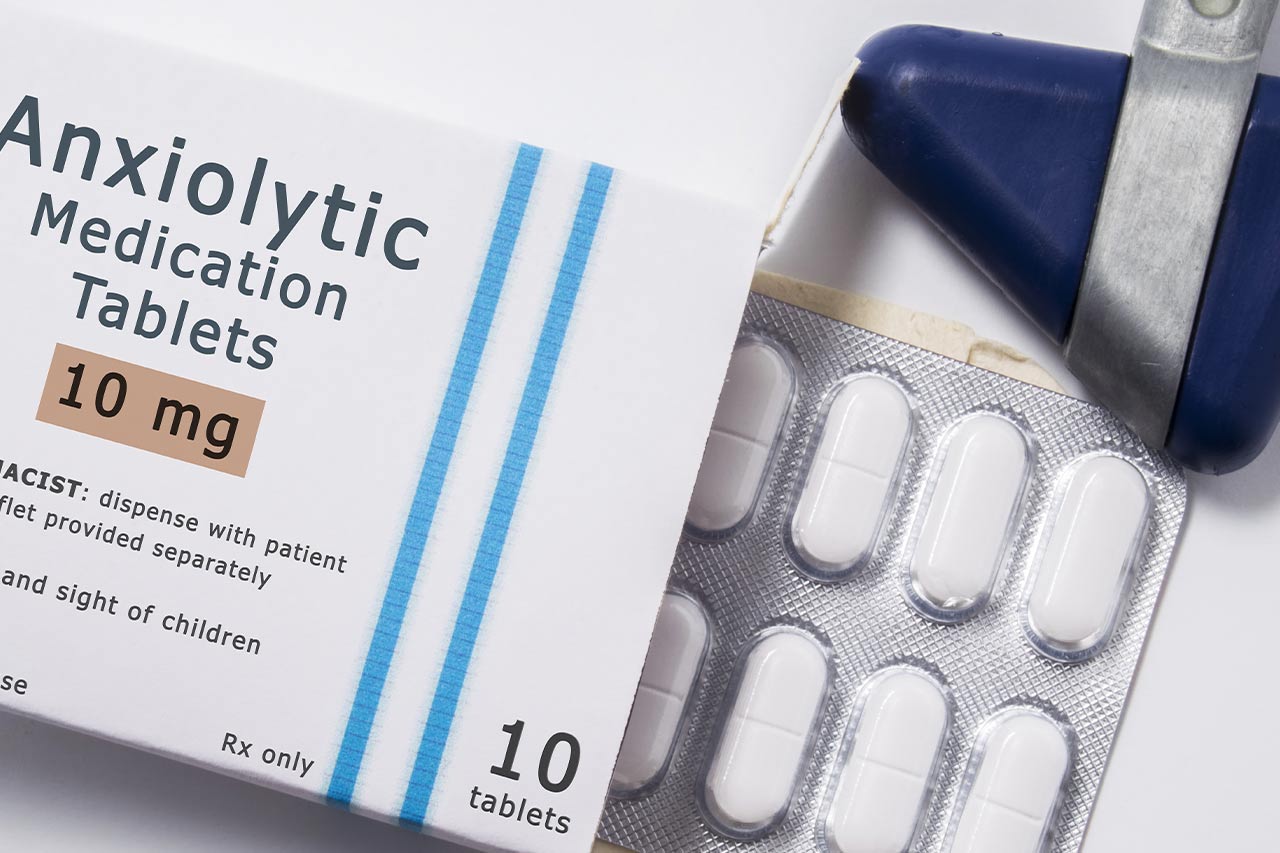
Anxiety disorders are one of the most common groups of mental illnesses in the world. Thankfully, anxiety disorders are highly treatable, especially with specific meditations. However, these medications can have undesirable side effects that can make it difficult for patients to continue taking them consistently. What are the dangers of these medications and are there any alternatives to consider?
The Dangers of Benzodiazepines
Benzodiazepine addiction is a very real risk, despite these medications working well on the short-term treatment of anxiety. However, they work by selecting specific receptors in the brain and reducing their activity. Each benzodiazepine medication affects a different receptor, so some may last longer than others.
The side effects of benzodiazepines include clumsiness, confusion, and drowsiness; the higher the dose of these medications, the more intense these side effects are. Benzodiazepines also take a long time to metabolize in the body so they can build up over time, resulting in over-sedation. Signs of benzodiazepine abuse include sleepiness, a weak, rapid pulse, loss of memory, shallow breath, dilated pupils, irritability, and the potential to fall into a coma.
Are There Alternatives to Benzodiazepines?
Yes, there are safer alternatives to these medications that can help a person with their anxiety. These include SSRIs and SNRIs. There are also anticonvulsants that can prevent the symptoms of anxiety.
SSRIs
Selective serotonin reuptake inhibitors work to increase serotonin levels within the body, improving overall mood. Although they are not considered non-addictive, there are some withdrawal symptoms that occur once the patient has stopped taking the medication. These symptoms include headaches, insomnia, diarrhea, chills, fatigue, impaired concentration, and dizziness.
SNRIs
Serotonin and norepinephrine reuptake inhibitors also increase serotonin and norepinephrine levels in the brain to help stabilize moods. They are also deemed non-addictive but can have withdrawal symptoms, including nausea, diarrhea, insomnia, headaches, dizziness, and flu-like symptoms.
Anticonvulsants
Anticonvulsants work by calming down the parts of the brain that become overactive; they are most used in the treatment of epilepsy. Anticonvulsants work well for those who have anxiety and are prone to panic attacks or anxiety attacks.
Non-Medication Alternatives
Of course, there are other alternatives outside of medications that a person may want to try to minimize their anxiety. These alternatives include:
- Meditation: it keeps a person in the present while they focus on their thoughts so that they can seize control over them. Meditation can be done anywhere and for as long as the person needs.
- Eating a healthier diet: stress and anxiety tend to make a person indulge in unhealthy foods, which can lead to sugar crashes. These sugar crashes can worsen a person’s anxiety.
- Therapy: speaking with a mental health professional can further reduce feelings of anxiety by helping the patient learn how to reprogram their brain so that they can live without the stress and anxiety taking over their lives.
Keep in mind that these alternatives are not meant to replace any anxiety medications that a person is already on, and any changes should be discussed with a doctor first. Speak with your physician if you have feelings of anxiety or if you are interested in considering alternatives to medications you may already be on.