
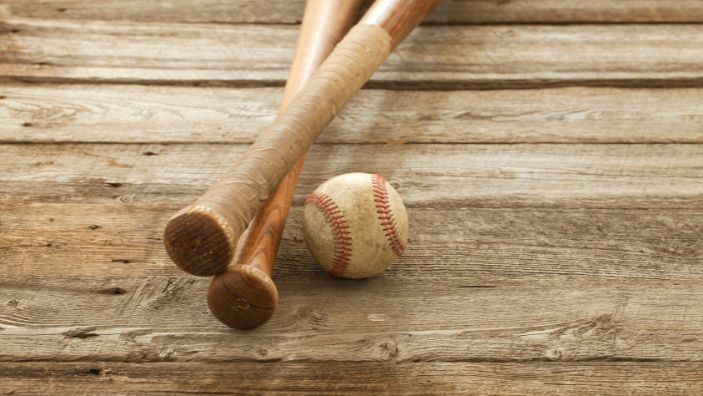
If baseball is your favorite pastime, you can become particular about the kinds of equipment you use. Perhaps one of the most crucial decisions a baseball player must make is which type of bat to get. Two of the most popular options are wood and aluminum, each with potential advantages and drawbacks.
Let’s explore the key differences between wood and aluminum bats so that you can get the most out of your game.
Weight
Wood bats are heavier than aluminum, making them popular among seasoned players. Players say they benefit from the bat’s weight because it adds to the power of their swing. They develop more muscle memory, swing faster, and hit the ball harder. On the other hand, aluminum bats are much lighter than wood bats. They’re easy to swing, meaning players can wait longer before starting their swing, offering them a fraction of a second longer to decide whether to hit the ball. This difference is one reason why aluminum bats are popular with beginner players.
Durability
Wood bats are traditional but can wear down over time. After repeated use, they may dent and crack over time, but they don’t shatter. For players, the cracks and dents, known as “dead spots,” may limit the bat’s efficiency. On the other hand, aluminum bats do not develop dead spots but are likely to crack or shatter with extended use.
Sound
Another difference between wood and aluminum bats is the sound they produce. Some players believe the sound that wooden bats generate is more satisfying than that of aluminum bats. The loud crack that a wooden bat produces when it hits the ball is often a sign of the hit’s quality.
Cost
Wooden bats are usually more expensive than aluminum ones. This cost is due to their limited production and the involved crafting required to make them. They typically cost between $100 to $500. On the other hand, aluminum bats are easier to produce on a large scale, making them cheaper. They cost anywhere from $30 to $300. It’s worth noting that this depends on the quality of the aluminum, among other factors.
Performance
Wooden bats can be more challenging to hit with. The weight and size lend well to more experienced players with a stronger swing. They rely more on the bat’s weight and power rather than the trampoline effect that aluminum bats produce. Aluminum bats offer more control, and the lightweight factor makes them suitable for younger or beginner baseball players. These bats are also ideal for hitters who utilize line drives or base hits rather than home runs.
Choosing between wood and aluminum bats comes down to personal preferences. This is why it’s essential to understand the differences and decide which one best suits your playing style. Before picking out the right bat for you, you should consider factors like weight, durability, sound, cost, and performance. No matter what you choose, the most critical factor is enjoying the game and having fun on the field.





very good