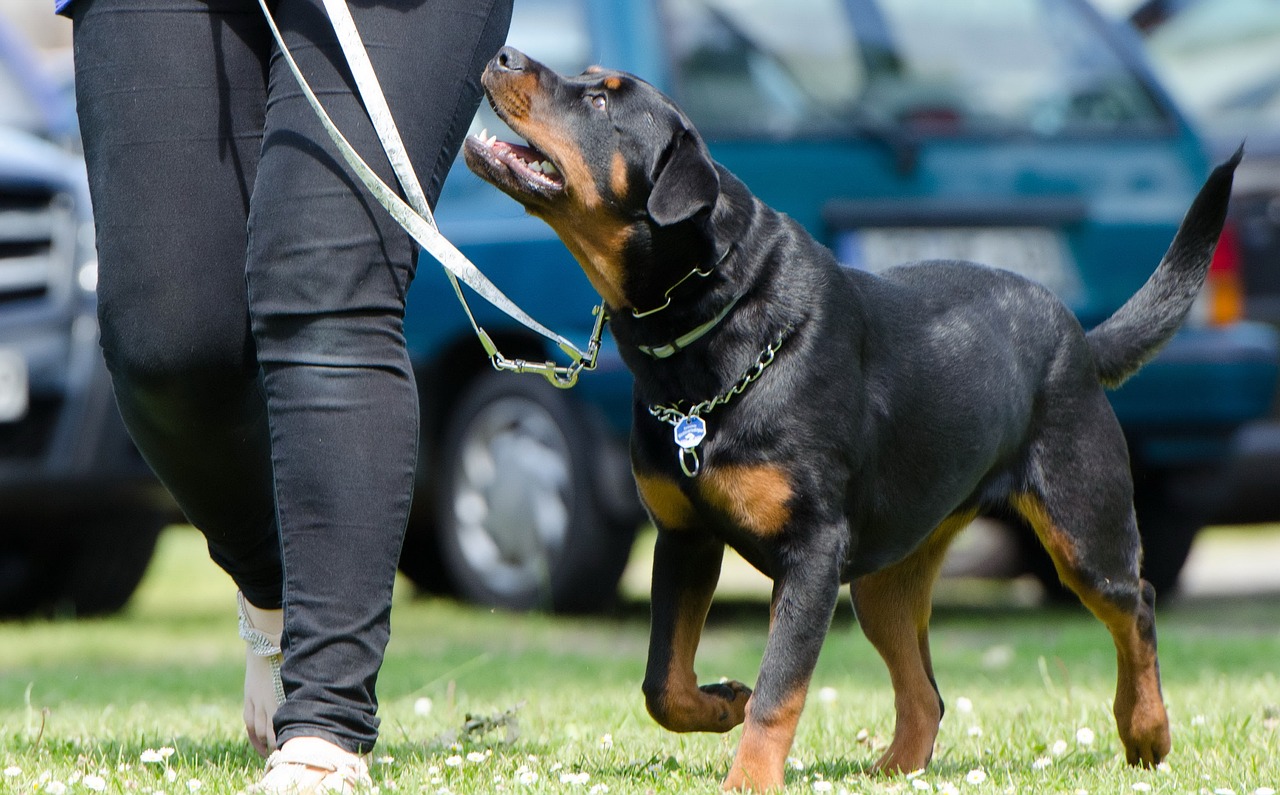
Beginning the journey of teaching your pet can be a thrilling experience. With 65.1 million households in the US raising dogs, that’s something most people do at some point. The early training time is full of the excitement of observing your pup learn new skills.
Positive reinforcement is an effective instruction tool that works and encourages a strong bond between you and your four-legged friend. It is about honoring good behavior with gifts, praise, or warmth.
The main aim is to create a positive relationship with your dog and to make sure that your dog is motivated to engage in good behavior. Dog training is about more than just obedience as well, as it could help you to reduce the chances of problem behavior later down the line, like aggression. In more serious situations, where incidents do occur, like dog bites, you need to make sure that you understand your responsibility as a dog owner, and that you seek advice from a dog bite lawyer, like Rainwater, Holt & Sexton. They can help you to claim damages for dog bites as a result of a negligent party, or bites that resulted from a situation involving your own dog. Either way, professional guidance is the best way to ensure that matters like this are handled safely and properly.
If you want to lay down the groundwork to avoid dog bites and aggression, the best way to do that is to engage in positive reinforcement. The main aim is to create an enjoyable relationship that motivates your pup to engage in those desirable behaviors.
It is like a win-win situation in which your dog receives a treat, and you get a well-mannered, happy canine friend. But you need to master the art of positive reinforcement to get real results. Here are the best practices for making the most of this instruction method. Get ready to have your tail wagging as we reveal the secrets to a respectful and positively reaffirmed pup.
Bond with your pet
Establishing a solid relationship with your pet is the basis of effective behavior modification dog training. You should adopt ways to strengthen your relationship enough to make your furry friend willing to please. Spend time together, play, and express love.
Dogs are social animals, so they are more likely to react positively to the training if they feel associated with you.
Time it wisely
Positive reinforcement relies heavily on time management. Immediate rewards aid in your pup’s ability to link the dots between their conduct and the beneficial result.
You can give incentives such as a tasty treat or motivating praise when they obey you. This immediate reaction reinforces desired behaviors while also speeding up the instructional process.
Choose high-value rewards
Not all rewards are created equal when it comes to taste. You should choose high-value treats that are appealing to your dog. It could be something special, a prized possession, or even an easy game of fetch. According to BarkingTalk, you can even give your pet a puzzle toy to stimulate its mind.
The key is to make the reward so appealing that the pet is inclined to work for it. It ensures that the positive reinforcement is truly strengthening and provides an enormous incentive for your pup to obey instructions and behave well.
Stay consistent
Consistency is the most crucial principle of positive reinforcement. Dogs prosper on routine and recurrence. Ensure that you regularly reward the actions you want. You can mislead your dog if you incentivize it to recline one day and overlook it the next.
Consistency helps your puppy comprehend what is expected of him and strengthens the link between his conduct and the reward.
Avoid overdoing things
Positive reinforcement is an excellent instructional tool, but you should not use it excessively. Showering your dog with reinforcers for every minor activity can dilute the value of the incentive. It may even lead to unwelcome behaviors.
Moderation is essential. You can preserve the most lavish rewards for major accomplishments. Use free praise or smaller treats for daily good conduct. It keeps your dog interested and ensures it does not grow overly reliant on steady rewards.
Progress gradually
Gradually increase the difficulty level to prepare your dog for accomplishment. Do not expect your pup to master complicated commands right away, just as you would not anticipate a toddler to master calculus.
You can begin with straightforward commands and slowly raise the challenge as your dog gains experience. This gradual approach develops confidence. It makes the learning process easier for your pet.
Create a positive environment
Positive reinforcement requires a positive instructional environment. You should eliminate distractions, find a quiet place to train, and be patient. A peaceful and focused surrounding will help your dog succeed. You should avoid penalizing your puppy if it makes an error.
Instead, guide its focus to the proper conduct and honor it when it succeeds. Positive reinforcement is most effective when it is an enjoyable experience for both you and your dog.
Celebrate small victories
Even the smallest accomplishments in the training process for your dog’s journey can have a big impact. Recognizing small victories with excitement and affection strengthens positive behavior.
This positive reinforcement increases your dog’s self-esteem, making them willing to gain knowledge and pleasure. You can establish a training environment full of delight and encouragement.
Conclusion
Positive reinforcement is an effective and compassionate method of dog training. Following these tips will pave the way for a well-mannered and happy canine companion. Remember that the journey of encouraging behavior is about enhancing the special relationship between you and your four-legged friend. So, prepare yourself for the positive reinforcement excitement.