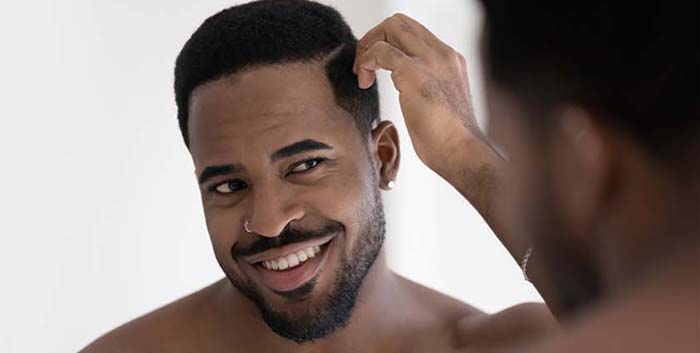
Let us guess you were battling with hair loss and have recently undergone a hair transplant procedure in Turkey. Well, undergoing a hair transplant procedure is one of the best ways to restore your hair and enhance your overall appearance.
Know that the journey of getting a fuller head of hair doesn’t stop after the procedure. To make this procedure successful, it is crucial to follow the surgeon’s advice and make a few changes in your day-to-day lifestyle.
In this article, we’ll discuss some post-hair transplant care to promote a healthy and successful recovery. So, let’s begin:
1. Follow Your Surgeon’s Instructions
First and foremost, you need to follow all the instructions which are advised by your surgeon. Your surgeon has a better knowledge of your hair, and they know what’s good and what’s bad for you.
They will guide you about hair washing techniques, activity restrictions, and follow-up appointments. These are not general instructions; they are tailored to your needs and the specific area of your transplant.
Remember, neglecting the instructions of the surgeon can hinder your recovery and may lead to some complications. So, to enjoy long-lasting results, make sure to follow your surgeon’s advice for a successful transplant and recovery.
2. Wash Your Hair Gently
After a hair transplant, washing your hair gently is extremely important. As recommended by your surgeon, use a mild shampoo, and wait a few days before you start.
While washing your hair, make sure you don’t go hard on it. After all, vigorous washing can mess with the new hair grafts and slow down the healing. Remember, the goal is to keep everything calm and happy on your scalp.
When you’re done, pat your hair dry with a soft towel, and avoid aggressive rubbing. So, being gentle during hair washing is a small but crucial step for a successful and healthy recovery.
3. Be Patient
After your hair transplant, it is important to be patient. You can’t expect to see a fuller head of hair overnight. According to experts at BlueMagiclinic hair transplant turkey, it will take approx. 11 to 12 months to see the full transformation. Also, remember that you may notice some hair fall. Know that it is a part of the process, and you don’t have to panic at all. Just remember, good things take time.
Managing expectations means understanding that your new hair will improve gradually. All you need to do is follow your doctor’s advice, stay calm, and trust the process. With time, you’ll witness the gradual and rewarding growth of a healthy, fuller head of hair.
4. Minimize Physical Activity
Now here comes the most important point. If you’re a fitness freak and have undergone a hair transplant procedure, it is important to limit heavy activities for a while. Try to avoid intense workouts, heavy lifting, or anything that makes you sweat a lot.
This is important because your scalp needs a bit of a break to heal properly, and too much activity can cause swelling or harm the newly transplanted hair. You can consult with your surgeon about the activities and when he/she gives the green light, you can continue your activities.
So, for now, take it easy and relax, and let your hair roots find their happy place without too much fuss.
5. Protect From Sunlight
After a hair transplant, it is important to protect your hair from the harmful UV rays of the sun. Avoid direct sunlight, especially in the early days of post-transplant.
If you’re going out, consider wearing a hat or using umbrellas to protect your hair. UV rays can be a tad intense for your healing scalp, so providing a shaded haven helps your hair thrive.
While sunscreen might have to wait, this simple act of safeguarding your scalp not only aids the healing process but also ensures your hair remains resilient and radiant in its new, sun-safe haven.
6. Correct Sleeping Position
A new addition to the post-hair transplant care regimen is paying attention to your sleeping position. While it might seem unrelated, the way you sleep can impact the healing process. In the initial days following the transplant, it’s recommended to sleep with your head elevated.
This elevation helps minimize swelling and enhances overall comfort during the recovery period. Using an extra pillow or adjusting the angle of your bed can contribute to maintaining the correct sleeping position.
By supporting the healing process through a proper sleeping position, you create an environment that aids in optimal recovery and ensures the well-being of your newly transplanted hair.
Summing Up
Post-hair transplant care is a critical aspect of ensuring the success of the procedure and achieving the desired results. By following these tips and maintaining a diligent care routine, you can promote a healthy recovery and enjoy the benefits of a fuller head of hair.