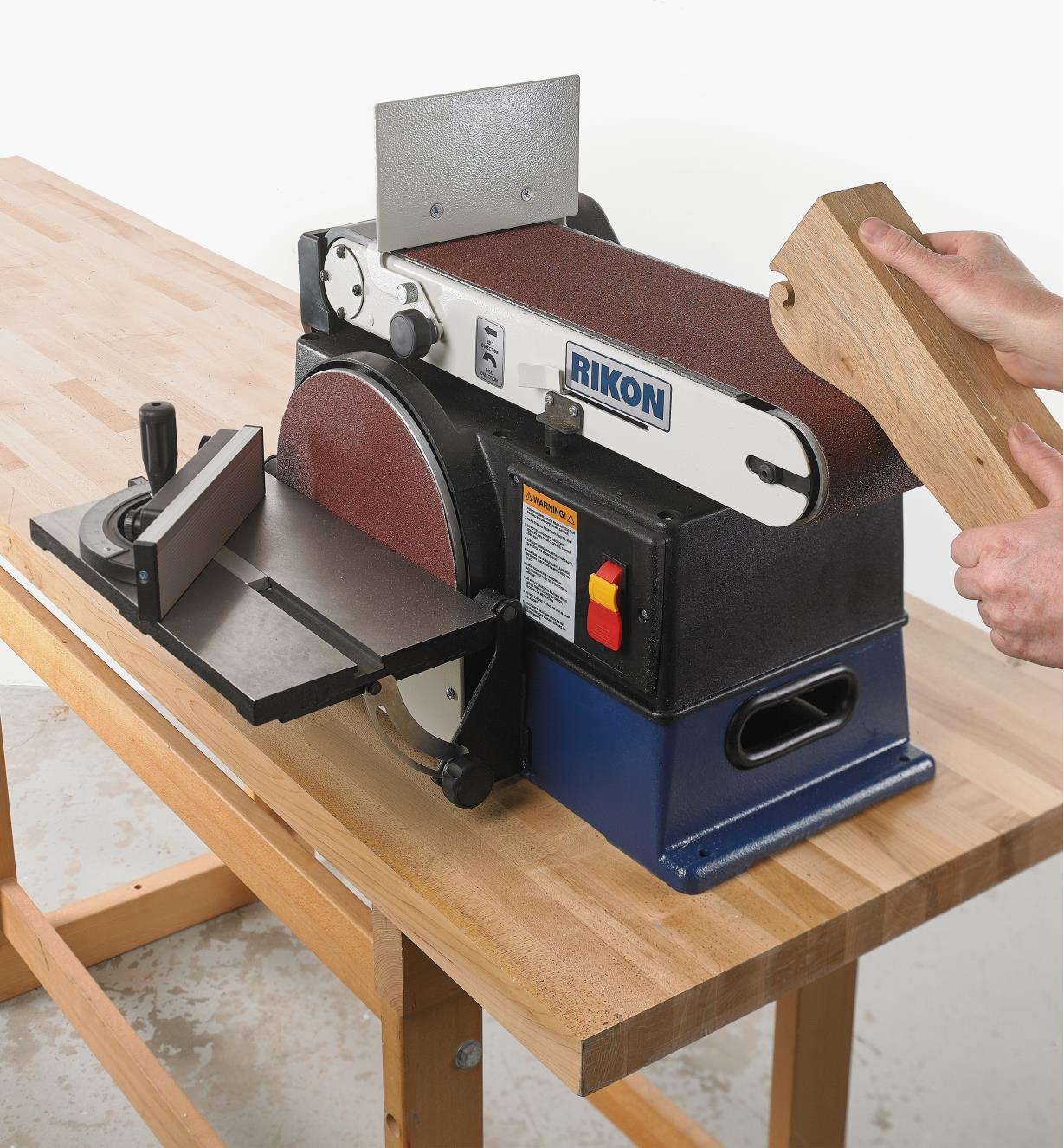
Sanding belts are essential tools in various woodworking and metalworking projects, ensuring a smooth and polished finish. However, even the best tools can face issues that hamper their efficiency. Understanding these common problems can help you troubleshoot and maintain your sanding belts, ensuring they function optimally for every project.1.
1. Wear and Tear:
One of the most prevalent issues with sanding belts is wear and tear. Over time, the abrasive particles on the belt wear out, reducing its effectiveness. This wear is natural, especially with frequent use, and it leads to diminished sanding quality and slower material removal. Regular inspection and timely replacement are crucial to maintaining optimal performance.
2. Belt Tracking Problems:
Improper belt tracking can cause uneven wear, leading to an uneven surface finish. Tracking issues often result from misaligned rollers or a damaged platen. Misalignment can cause the belt to move sideways, wearing out one edge faster than the other. To resolve this, ensure that your sanding machine’s tracking mechanism is properly adjusted and that the belt is correctly centered.
3. Glazing:
Glazing occurs when the sanding belt’s abrasive particles become dull and less effective. This can happen due to overheating or applying excessive pressure, causing the abrasive material to lose its sharpness. Glazed sanding belts generate heat, which can damage both the belt and the workpiece. To prevent glazing, use the appropriate grit for your task and avoid excessive pressure when sanding.
4. Belt Breakage:
Belt breakage is a frustrating issue that can halt your project. This problem is often caused by excessive tension, improper installation, or using the wrong type of belt for the task. To prevent belt breakage, make sure the tension is correctly adjusted, install the belt according to the manufacturer’s instructions, and choose a belt that matches the material you’re working on.
5. Loading:
Loading occurs when material particles accumulate on the sanding belt’s surface, reducing its effectiveness. This appears to be a common issue when sanding soft materials or finishing off projects. To prevent loading, use a sanding belt with an open coat (spaced abrasive particles) and clean the belt regularly during use. Alternatively, you can opt for anti-loading coatings that resist material buildup.
6. Uneven Wear:
Uneven wear can result from various factors, such as improper sanding techniques or using the wrong grit for the initial sanding stages. When the sanding belt wears unevenly, it can create waves or grooves on the workpiece surface. To avoid this, start with the appropriate grit for the material and follow a consistent sanding technique. If uneven wear persists, inspect your sanding machine for issues that might be causing the problem.
7. Belt Slipping:
Belt slipping occurs when the sanding belt fails to grip the machine’s rollers properly. This problem can result from worn-out rollers, improper tension, or a damaged backing on the sanding belt. To address belt slipping, inspect the rollers for wear and replace them if necessary. Additionally, ensure the belt tension is correctly adjusted, providing adequate grip without straining the belt.
In the world of woodworking and metalworking, where precision and quality matter, understanding and addressing common sanding belt issues are essential. By recognizing problems like wear and tear, belt tracking issues, glazing, belt breakage, loading, uneven wear, and belt slipping, you can troubleshoot effectively and maintain your sanding belts in optimal condition. Routine inspection, proper installation, and correctly used techniques are the keys to be sure your sanding belts deliver smooth, professional results every time you use them. Keeping these issues in mind, your sanding projects will be marked by efficiency, precision, and a flawless finish.