Most people want a perfect smile, and the traditional means of making a smile straight and healthy is to wear metal braces for a set period of time. While there are several benefits to braces as a whole, modern technology, in general, and in orthodontic care in particular, makes it easier than ever to try other means of perfecting that youthful smile without putting metal brackets across your teeth.
Have you heard of clear aligners? They’re an effective way to get straighter teeth in a more discreet fashion, and because of this, clear aligners are popular and affordable. They also may be ideal for your needs. Here, you’ll learn exactly what clear aligners are, how they work to straighten teeth, how they differ from traditional braces, and most important of all, how they’ll work for you.
Note: While not all people are a candidate for clear aligners, odds are they’ll be able to work for you. In general, the ideal candidate will have healthy teeth and gums overall and enough space between their teeth to allow the aligners to do their job. If this sounds like you, read on and see if you can say goodbye to traditional braces and hello to clear aligners!
What are Clear Aligners?
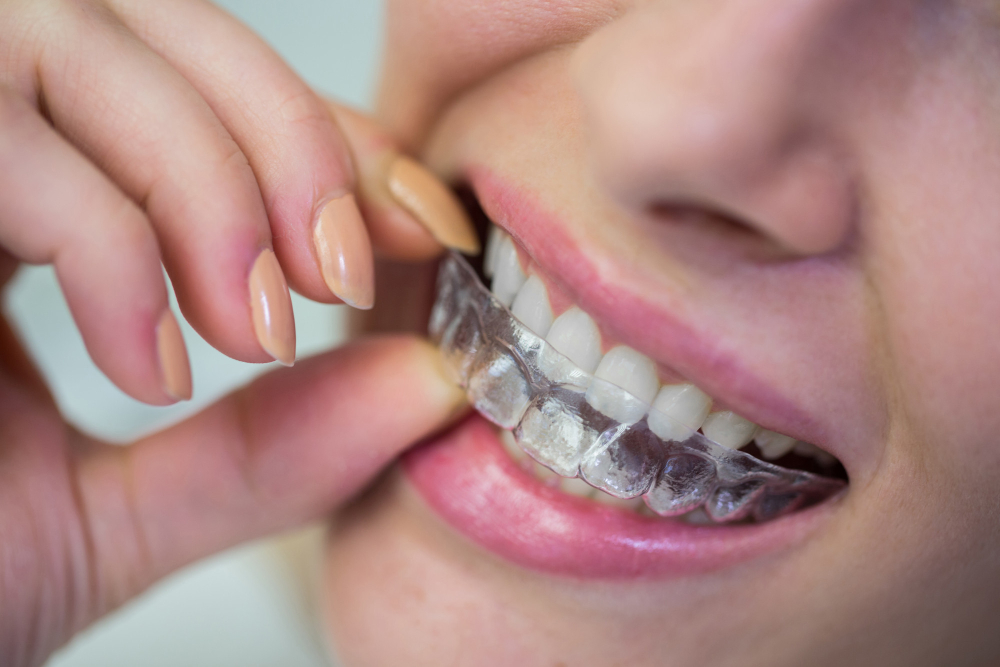
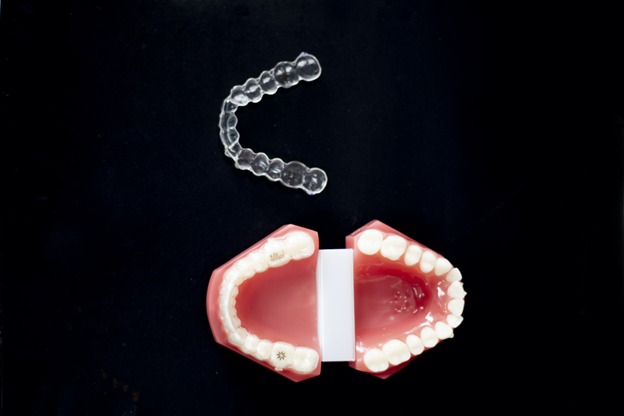
Clear aligners are custom-molded aligners for your upper and lower teeth. At first glance, they look very similar to a mouth guard. Don’t worry, they’re much more than clear tooth covers, and they are nearly invisible when they’re put on. From a small distance, a person may not even be able to tell you’re wearing clear aligners at all.
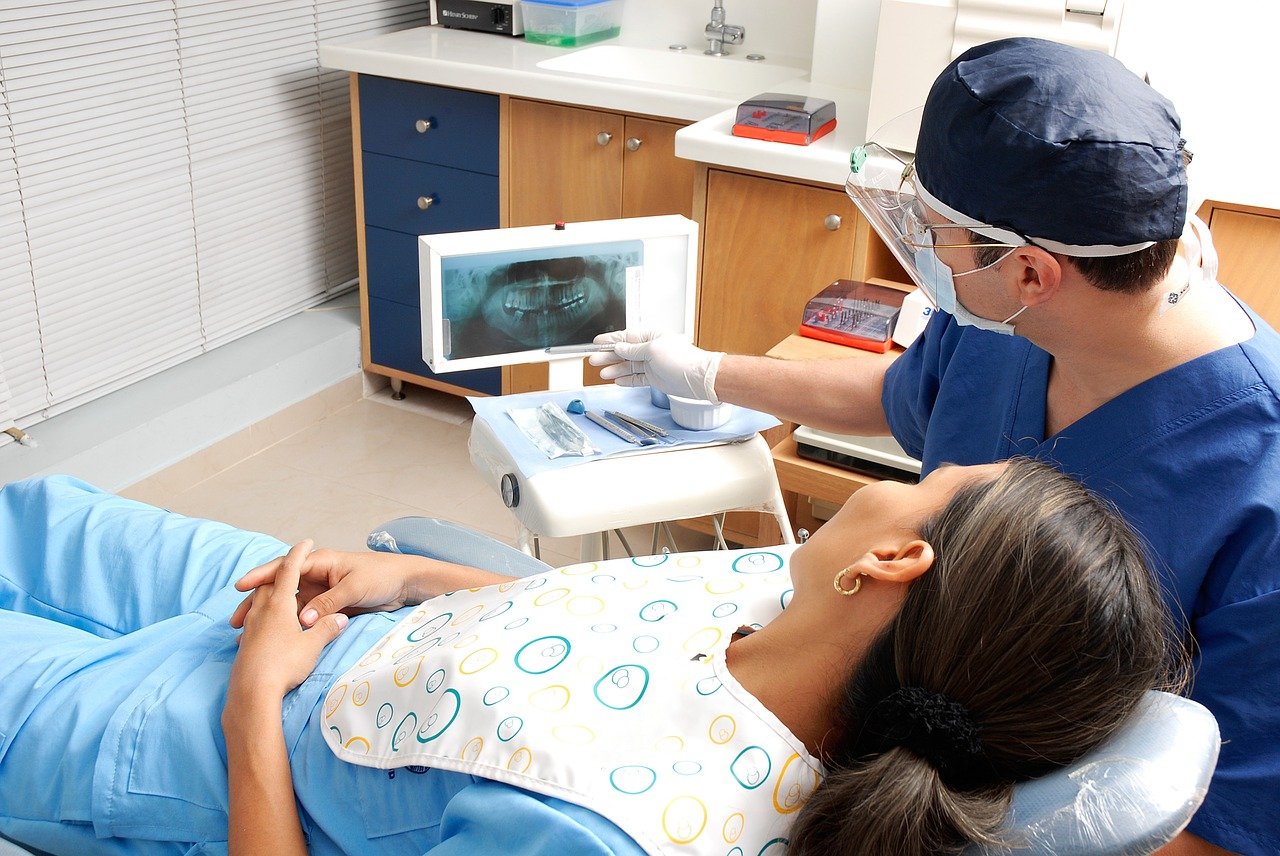
To get fitted for clear aligners, a non-invasive consultation with a dental specialist is required. After an oral inspection of your smile to determine your teeth straightening needs, a mold is created of the shape and placement of your teeth. This mold is then used to create the clear, nearly invisible aligners that will be placed over your teeth to begin your teeth straightening journey.
How Do Clear Aligners Straighten Teeth?
The process is simple; clear aligners are used to gently shift and guide your teeth into the desired end position over time. Crowding is often a culprit for poorly aligned teeth, and clear aligners work to reverse this spacing issue in your smile to give you a more natural and pleasantly aligned grin.
It does take time and several series of clear aligners to get your teeth straightened out, so be patient. After all, to continue shifting your teeth in a positive direction, your clear aligners have to be upgraded periodically to your current tooth formation. However, the results are impressive, and you can achieve a smile that is as straight as it might be with traditional braces — without having to go through getting metal brackets placed on your teeth, having braces tightened over time, and going through the discomfort of traditional braces. So long, Brace Face!
How Are Clear Aligners Different from Traditional Braces?
Thinking about going to the dentist to get braces can be daunting, even for adults. If you think straightening your teeth means enduring months or years of headgear and metal fixtures over your chompers, guess again. Clear aligners can be worn for several hours at a time (and should be worn as much as possible for best results), but you can take them out whenever you want. Remove clear aligners to brush your teeth, perform in a sports or high-intensity activity, or to simply get a break and rest from your dental correction for the night. Just don’t forget to put your aligners back on for a majority of your day.
Clear aligners are also nearly invisible, making them a great solution in dental tooth correction for adults and teenagers who don’t want to have metal brackets interrupting their facial appearance. Since they are lightweight, smooth, and clear, these aligners also don’t require as much getting used to as traditional braces do. As soon as you get used to them, you can speak and do other things as normal — even with your clear aligners over your teeth and doing their job. Although it’s often recommended to remove aligners before eating, if you get food stuck in your clear aligners, you can simply remove them and clean them!
Will Clear Aligners Work for You?
In the end, this is a question for your dental specialist. However, you’d be surprised the number of tooth maladies clear aligners can correct. Speak to your dental provider about tooth correction via aligners if you have any of the following:
- Crossbite (dental arches that don’t line up)
- Crowding (not enough space for all your teeth)
- Deep Bite (also known as a severe overbite)
- Overbite (top teeth overlapping the bottom teeth)
- Open bite (gap between the front and bottom teeth when the mouth is closed)
- Spacing (the opposite of crowding; too much space for your teeth)
- Underbite (bottom teeth overlapping the top teeth)
Your dental provider may recommend clear aligners to help correct dental deformations in your smile. Address all dental concerns with a dental professional before making any decisions regarding straightening your teeth.

Are Clear Aligners Right for You?
Do you hide your smile from family and friends or fear your teeth make you look older or unkempt? Do your teeth cause issues with speaking, eating, or oral hygiene? Have you had traditional braces in the past and you don’t want to try them again?
If you’re simply curious about how custom clear aligners can work for you, schedule an appointment with a dental professional. Positive experiences regarding clear aligners help give you confidence in this modern dental technology. If you have always wanted a more stunning smile but thought traditional braces were your only hope, you know now you have options. Aligners can be ideal for children through adults, so inquire about having the entire family fitted with a clear aligner solution that works best for their oral health goals. Here’s to a happier, healthier, metal-free smile!